Beard shadow looks blue-grey, and no amount of foundation on its own will fully hide it. A color corrector in the opposite shade cancels the tint first, so the foundation on top looks like skin. This page shows which shade to use for your skin tone and how to choose the right formula.
⚡ Quick Answer
- Light skin: peach or pink corrector.
- Medium skin: orange corrector.
- Deep skin: deep orange or red corrector.
Not sure of your tone? Try our skin tone and corrector analyzer.
🎨 Why a Corrector Works
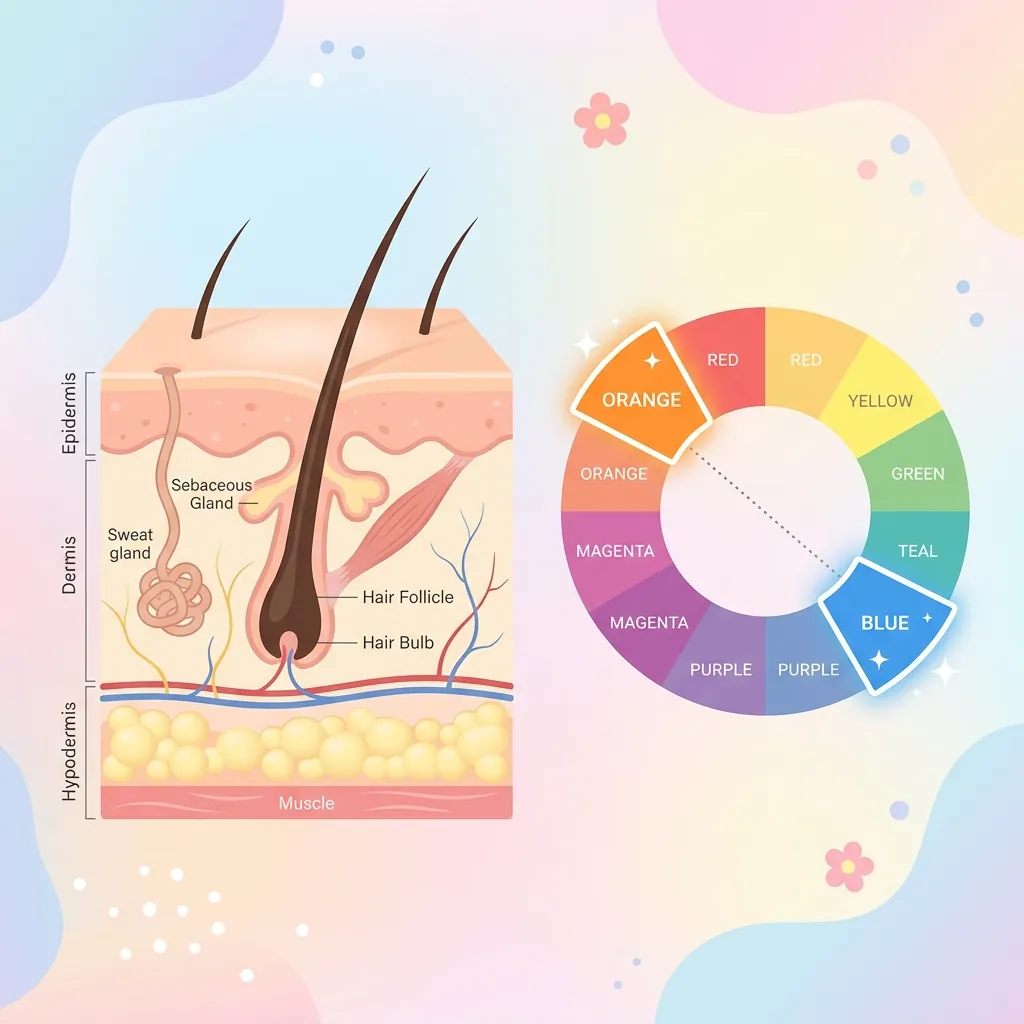
Blue shadow, orange answer
Hair under the skin reads as a cool blue-grey. On the colour wheel, orange and red sit opposite blue, so a warm corrector neutralises the tint instead of just covering it.
Thick concealer on top of an uncorrected shadow only looks heavy and grey. Correct first, then conceal.
🧡 Peach vs Orange vs Red

Finding Your Match
| Corrector | Best skin tone | Strength |
|---|---|---|
| Peach / pink | Light | Gentle |
| Orange | Medium | Strong |
| Red / deep orange | Deep | Strongest |
Heavy or dark shadow on light skin may need orange even though peach is the usual match. Test on your jaw in natural light. Watch out for orange correctors looking too orange if under-covered by foundation.
🧴 Choosing the Right Formula
Beyond the colour, the consistency of the corrector plays a huge role in how natural your makeup looks.
- Liquid correctors: Best for beginners. They are lightweight, blend easily into the skin, and are less likely to look cakey under foundation. Perfect for light to medium shadow.
- Cream or stick correctors: Provide much heavier coverage. They are excellent for very dark, stubborn shadow, but require careful blending and setting so they don't slide around or crease during the day.
🪞 How to Apply It

1. Prep the skin
Shave, cleanse and moisturise. Wait a few minutes so the skin is not tacky, then add a primer if your makeup usually slides off.
2. Correct in thin layers
Dab a thin layer only on the shadowed areas. Pat it in with a sponge or fingertip. Do not rub.
The blue-grey should fade to a neutral skin tone. If it is still visible, add a second thin layer, not a thick one.
3. Conceal and foundation
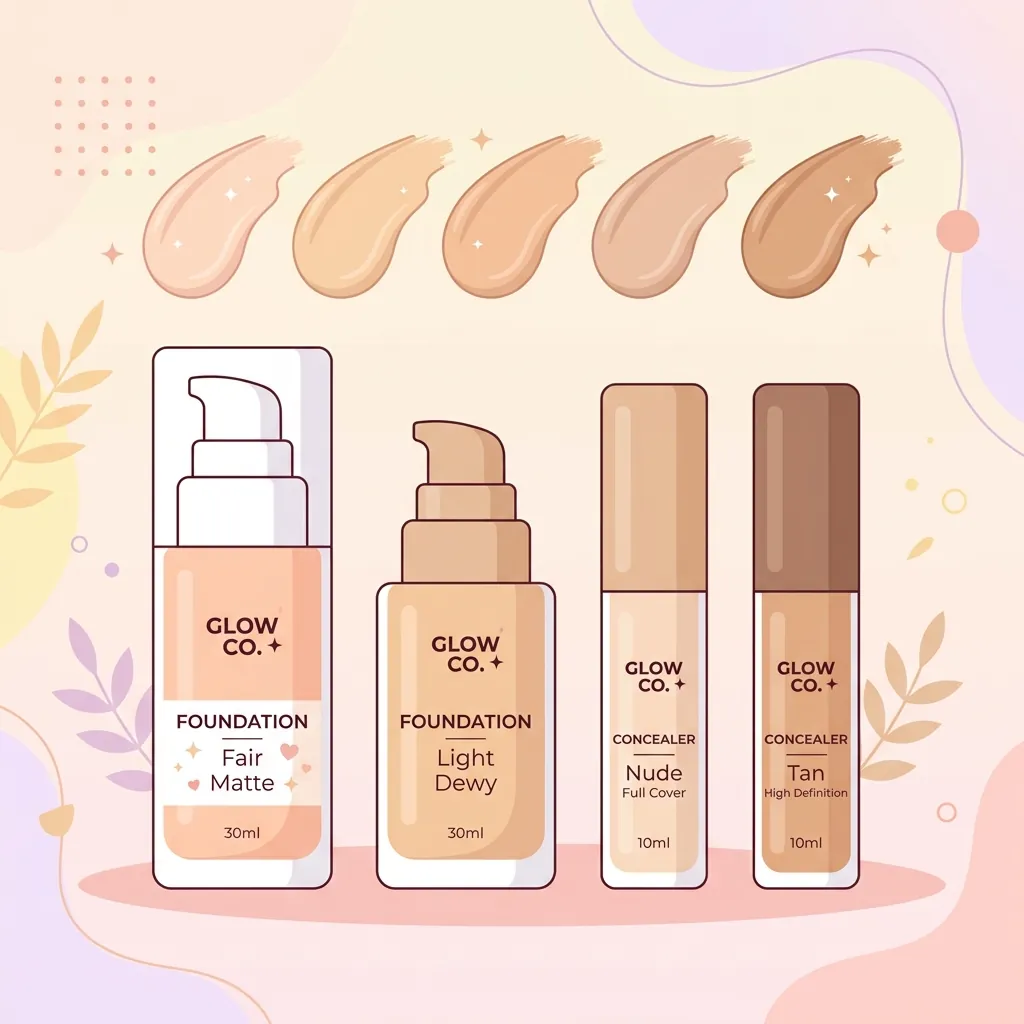
Apply a full-coverage foundation that matches your neck, not your forehead. Press it on with a sponge so it sits over the corrector instead of dragging it.
4. Set everything
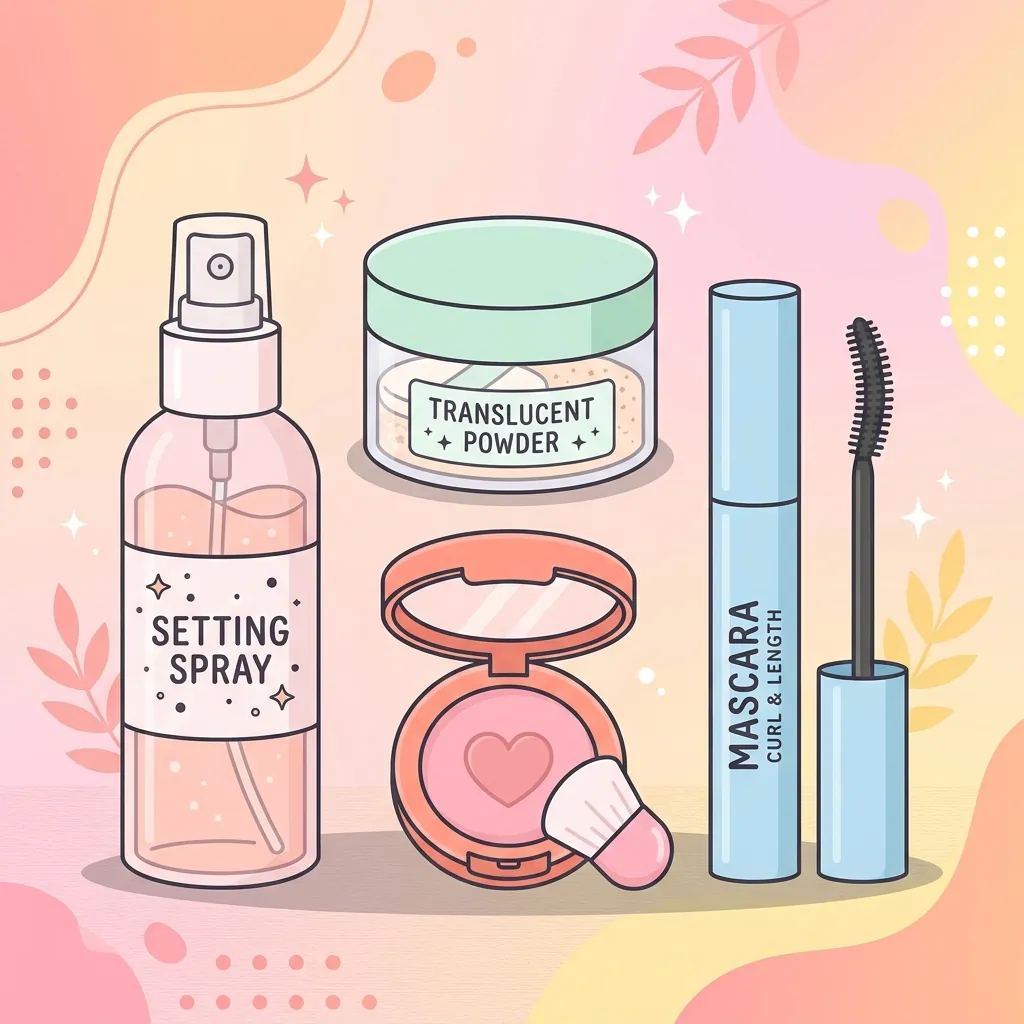
Press in translucent powder, then finish with a setting spray. Setting between layers stops the orange from mixing into the foundation.
For the complete routine, see our full guide to hiding beard shadow with makeup.
🔎 Step 0: Find Your Undertone
Skin tone is how light or deep you are. Undertone is the warm, cool or neutral cast underneath. Both affect which corrector looks natural.
- 🌤️ Vein test: Green-looking wrist veins usually mean warm. Blue or purple means cool. A mix means neutral.
- 💍 Jewellery test: Gold flatters warm skin, silver flatters cool skin.
- 📸 Fastest option: Use our skin analyzer with a photo taken in natural light.
Warm undertones usually do well with orange. Cool or pink undertones often look best with peach or a salmon shade.
🧴 Which Formula: Cream, Stick, Liquid or Palette?
| Formula | Coverage | Best for | Watch out for |
|---|---|---|---|
| Cream pot / palette | High | Heavy or dark shadow | Use a small amount, since it is pigmented |
| Stick | Medium to high | Quick application, travel | Can drag on dry skin |
| Liquid | Light to medium | Light shadow, sensitive skin | May need two layers |
For beard shadow, a creamy, pigmented corrector usually beats a thin liquid one, because you need real colour payoff. Choose a formula that dries down without staying tacky.
🛠️ Troubleshooting
| Problem | Likely cause | Fix |
|---|---|---|
| Orange patches show through | Corrector too thick or foundation too sheer | Thin the corrector, use fuller coverage |
| Grey shadow still visible | Shade too light or too little product | Go one step stronger, layer thinly |
| Cakey, textured look | Too many layers or dry skin | Moisturise, use less, set lightly |
| Makeup fades by afternoon | No primer or setting | Prime, set with powder and spray |
Midday touch-ups
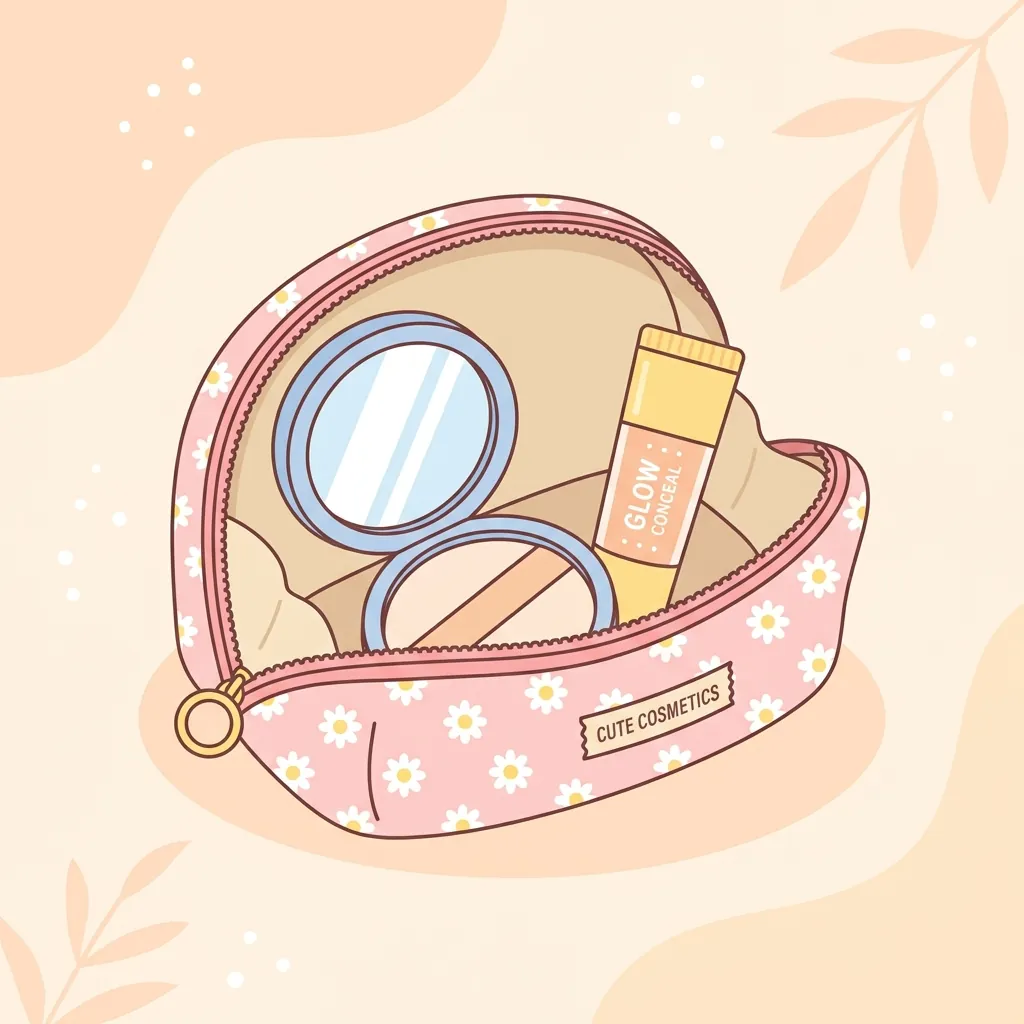
Carry a small compact, a mini concealer and a little powder. Press, do not rub, and skip adding more corrector unless the shadow is clearly breaking through.
🧼 Take It Off Gently
Pigmented correctors need proper removal. Use a cleansing balm or oil to dissolve makeup, then a gentle cleanser. Moisturise afterwards, since a daily shave plus makeup can dry the skin.
⚠️ Common Mistakes
- ❌ Too much product: Thin layers look natural. Thick layers look cakey.
- ❌ Wrong shade: Too light a corrector leaves the shadow visible. Too dark leaves an orange patch.
- ❌ Skipping foundation: Corrector is a base colour, not a finish.
- ❌ Judging in bad light: Check in daylight before you go out.
❓ Frequently Asked Questions
Can I use regular concealer instead of a corrector?
Does color corrector work on stubble?
Will it last all day?
Should I use orange or red?
Disclaimer: This guide is for educational purposes. Patch-test new products, and stop using any that irritate your skin. © 2026 TransNote.me