If you've ever spent thirty minutes carefully applying foundation only to step into natural light and see that familiar grayish-blue tint showing right through your jawline, you know exactly how frustrating beard shadow can be. It's one of the biggest sources of dysphoria and stress when trying to achieve a feminine or even just a clean, natural look. The good news? Hiding beard shadow completely is not magic, and you don't need layers of cakey drag makeup to do it. It all comes down to understanding simple color theory, proper skin prep, and a few strategic layers. This guide is written like advice from a friend who gets it—let's break down exactly how to get that flawless, skin-like finish that stays put all day.
1. The Science of the Shadow & Why Concealer Fails
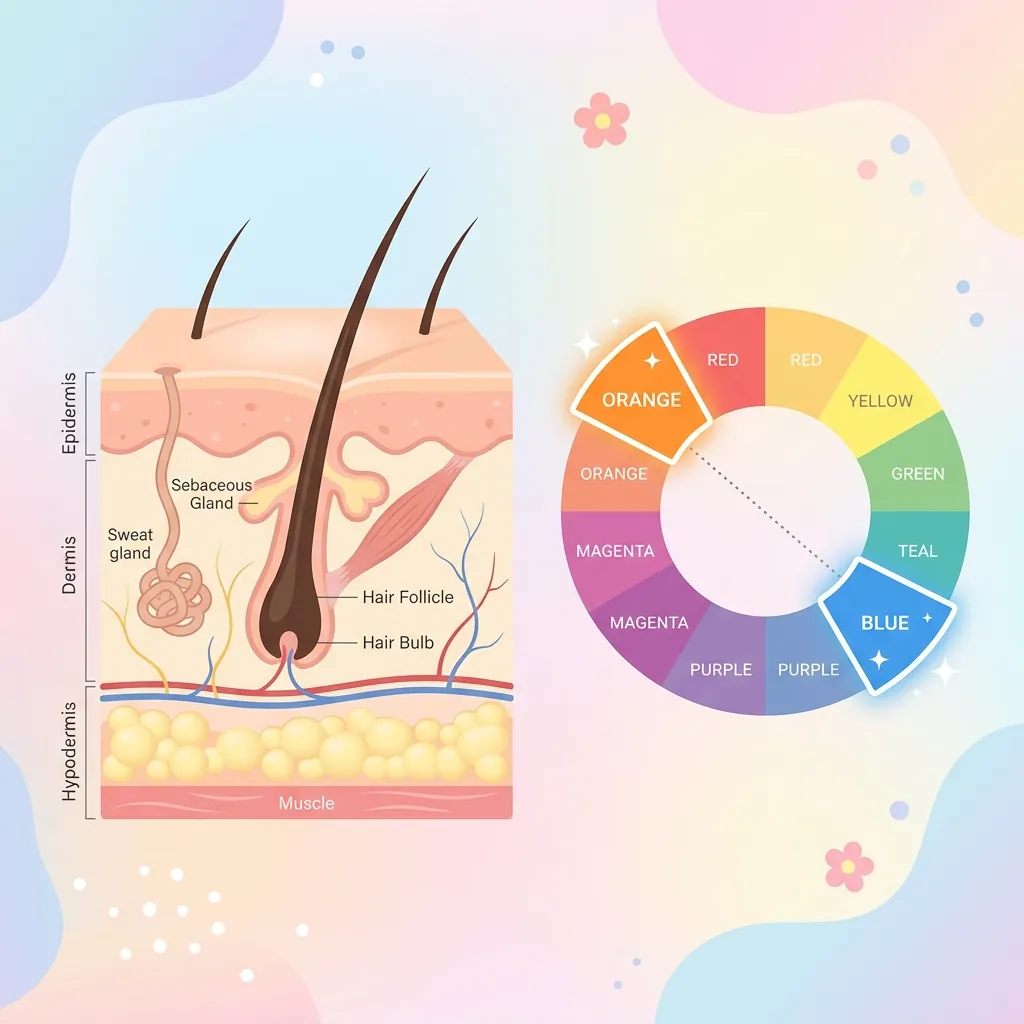
First, let's talk about what beard shadow actually is. Even if you shave perfectly against the grain and your skin feels as smooth as glass, you might still see a dark hue. This isn't a failure on your part—it's biology. The hair follicles under the skin on the face are thick and dense. When the hair is shaved down to the skin level, the root of the hair remains trapped beneath the translucent outer layers of your skin. Because human skin is somewhat see-through, the dark root casts a cool, blue-gray tint.
This is exactly why slapping your favorite skin-toned concealer over your upper lip never works. Regular concealer is designed to match your skin's surface color, not to neutralize underlying pigments. If you put a peach or beige concealer directly over a blue-gray shadow, the two colors mix together, usually creating an ashy, muddy, or greenish mess. To truly hide the shadow, we have to cancel out that blue tint before we ever touch a skin-toned product.
2. The Crucial Steps: Skin Prep & Priming
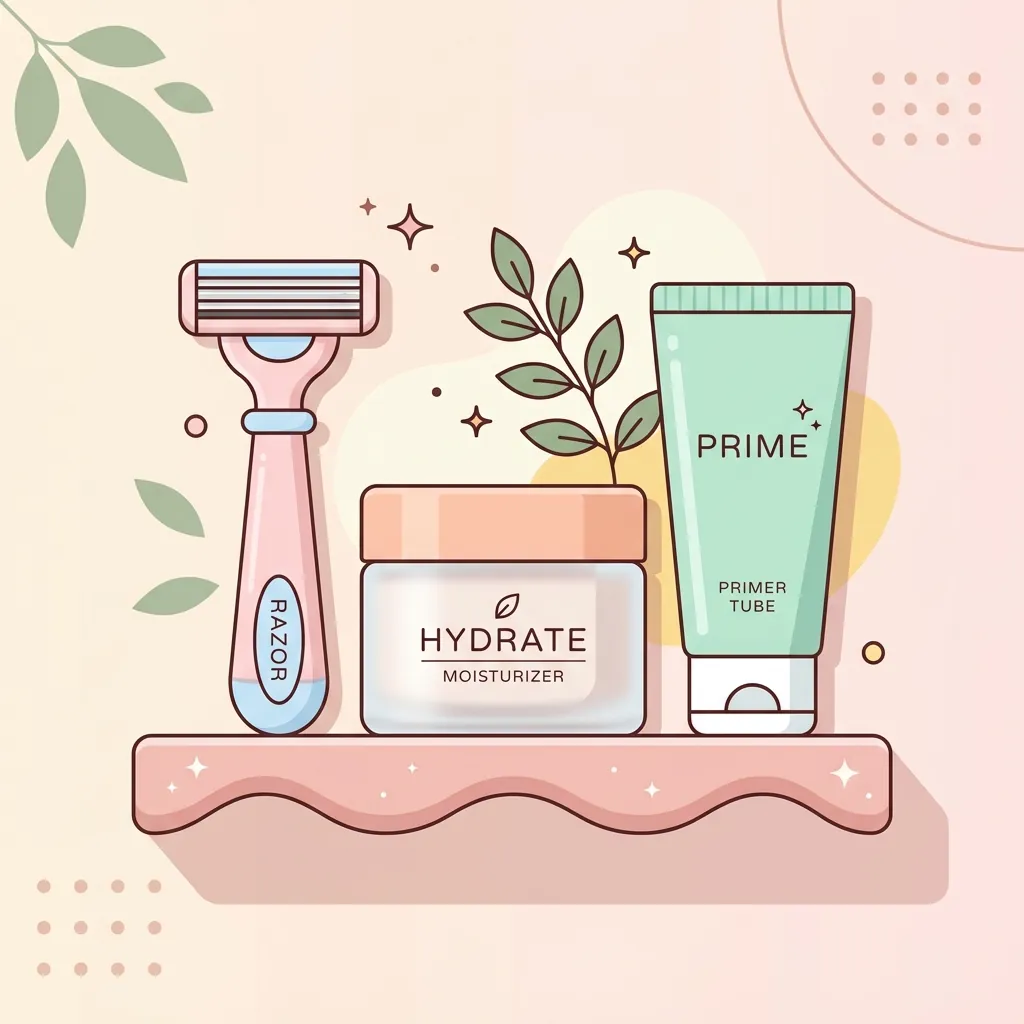
Great makeup begins with great skin prep. Start with a fresh, close shave. Use a sharp razor and a rich shaving cream to avoid micro-cuts and razor burn, which only add redness to the color-correction puzzle. After shaving, rinse your face with cool water. This step is vital because it soothes the skin and helps close the pores, preventing makeup from sinking in and creating a textured, dotted look.
Next, apply a lightweight, hydrating moisturizer and let it sink in for about five minutes. Hydrated skin looks plump and natural, whereas dry skin will grip your makeup and look cakey instantly.
Finally, don't skip the primer. Primer acts as a barrier between your skin and your makeup. A silicone-based primer is excellent for smoothing out any stubble texture or enlarged pores, giving you a slick canvas. If you struggle with makeup sliding off your chin or upper lip during the day, a gripping primer will be your best friend.

3. Color Correction and the "Locking" Step
Here is the holy grail of hiding shadow: the color corrector. Remember the color wheel from art class? Colors opposite each other cancel each other out. Since beard shadow reads as blue/gray, you need orange to neutralize it.
Finding your shade: If you have fair skin, use a peach corrector. For medium skin, go for a true orange. For tan to deep skin, a red-orange or brick red is perfect. See our color corrector comparison for a full breakdown.
How to apply: Take a small amount of corrector and use your ring finger or a damp makeup sponge to gently pat it over the shadow area. Do not rub! Rubbing just moves the product around and lifts it off the skin. You want to press the pigment exactly where it's needed. Keep the layer thin. If you have heavy shadow, use two thin layers rather than one thick layer. You should look slightly orange in the mirror—that means it's working!
The Locking Step: Before moving on, take a tiny amount of translucent setting powder on a fluffy brush and lightly dust it over the corrector. This is the secret step most tutorials miss! Setting the corrector locks it in place so that when you apply your concealer next, the orange won't mix in and turn your whole face orange.
Not sure which corrector shade you need?
Use our free, private AI Skin Analyzer. Upload a photo in natural light to instantly discover your exact undertone and the perfect color corrector match to hide your shadow.
4. Concealer & Foundation for a No-Makeup Finish
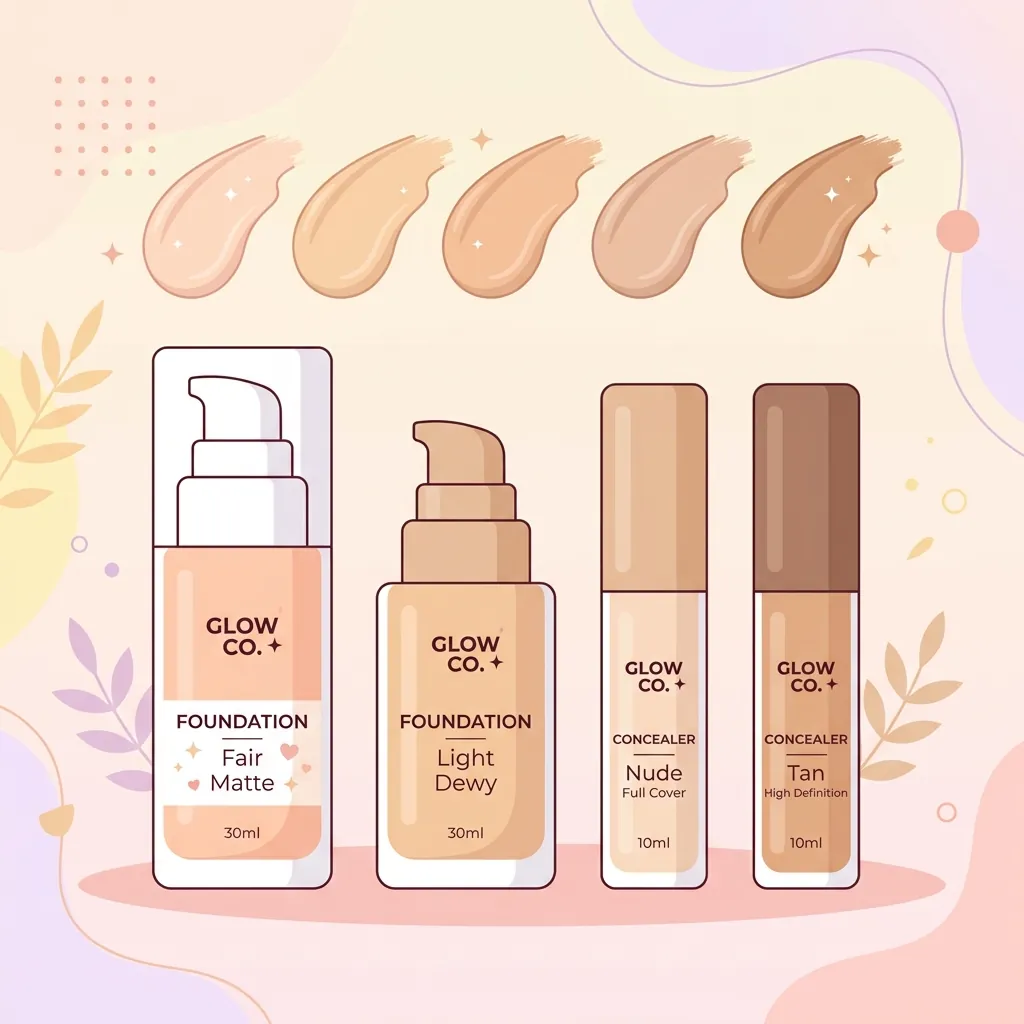
Now that the blue is neutralized into a warm orange, it's time to bring it back to your natural skin tone. Take a full-coverage, liquid or cream concealer that exactly matches your jawline (not your forehead or hand). Using a damp sponge or your finger, gently pat the concealer directly over the locked-in corrector. Again, pat, don't swipe. Blend the edges out so it seamlessly transitions into the rest of your face.
For the rest of your face, we want to maintain that "no-makeup" illusion. Instead of using a heavy, full-coverage foundation everywhere, opt for a skin tint, a BB cream, or a medium-buildable foundation. Apply it sparingly to the upper half of your face and lightly blend it down to meet the concealed areas. Applying your foundation with clean fingers can actually melt the product into your skin beautifully, making it look incredibly natural. Always remember to blend down past your jaw and slightly onto your neck so there are no harsh lines.
5. Setting and the Magic Finishing Touches
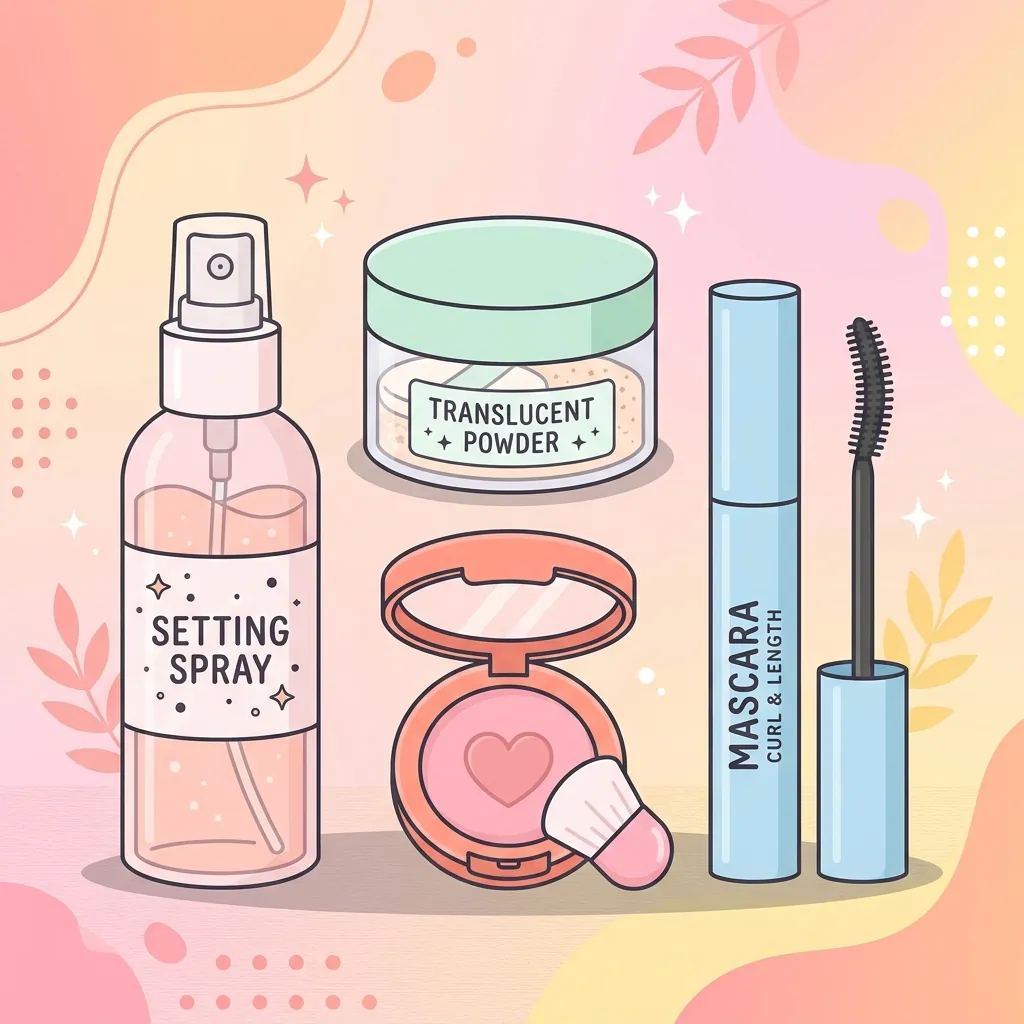
To ensure your hard work survives the day, setting is non-negotiable. Take a finely milled translucent powder on a powder puff or a soft brush. Tap off the excess—how much powder you use is the difference between a natural look and a cakey mask. Gently press the powder into the concealed areas (upper lip, chin, jawline). Don't bake; just press and sweep away.
Next, generously mist your face with a setting spray. Setting spray is magic: it melts the powdery layers together, removing the powdery finish and making the makeup look like real skin again, while also locking everything down.
To truly sell the "no-makeup" look, add back a little life. The color correction process can sometimes leave the lower face looking flat. Tap a little cream blush onto your cheeks (cream looks more like real flush than powder), brush your eyebrows up with a clear or tinted brow gel, swipe on some tinted lip balm, and perhaps one light coat of mascara. These subtle touches draw the eye up and make your complexion look effortlessly vibrant.
6. Mid-Day Touch-Ups and Troubleshooting
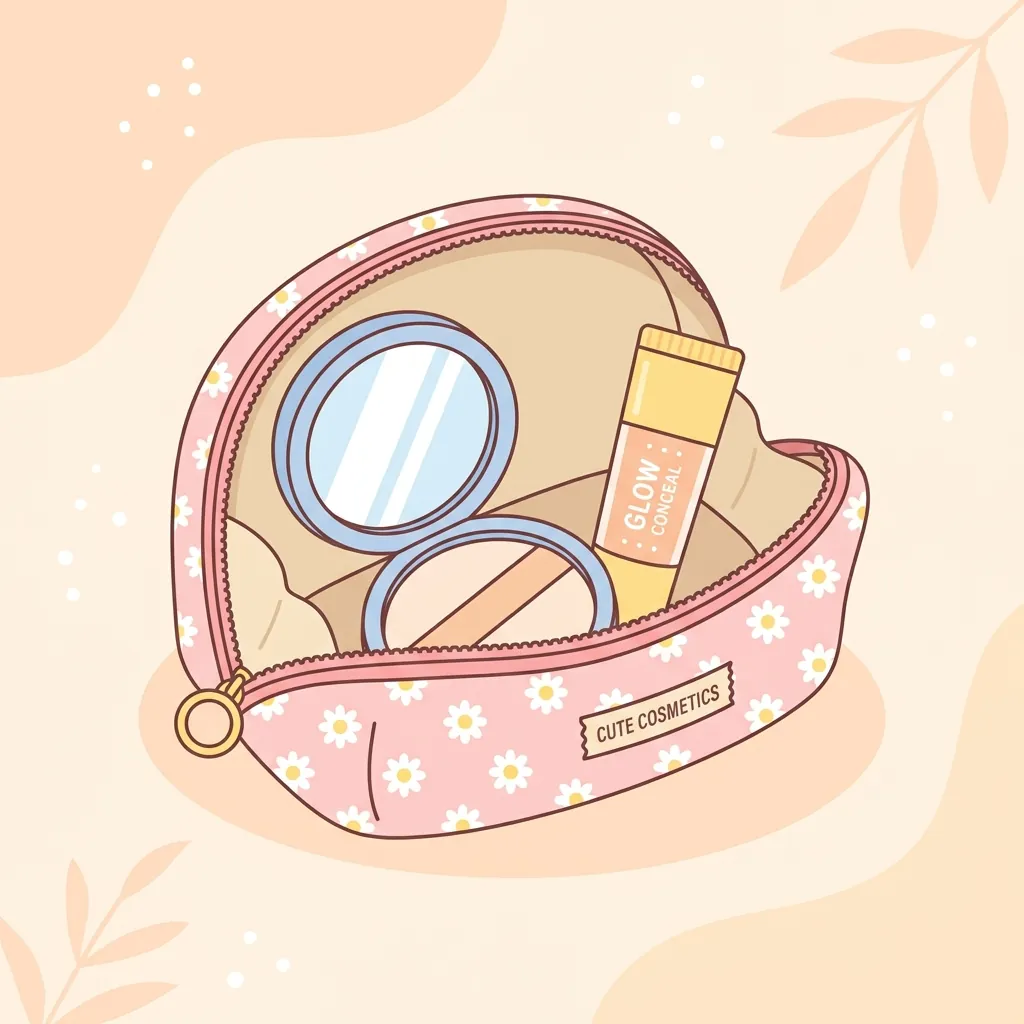
Even the best makeup might need a little help after 8 hours. If you notice a shadow breaking through mid-day, don't panic and don't try to apply more corrector. Carry a small compact mirror, a mini concealer, and a little pressed powder in your bag. Simply dab a tiny dot of concealer on the dark spot, tap it in with your finger until blended, and lightly touch it with powder. It takes 60 seconds and saves the day.
Common mistakes:
• Orange cast showing through? Your corrector layer was too thick, or your concealer doesn't have enough coverage.
• Cakey finish? You used too much powder or didn't hydrate enough beforehand.
• Makeup sliding off your upper lip? Ensure you're using a gripping primer and not touching your face throughout the day.
7. Long-Term Solutions to Reduce Shadow
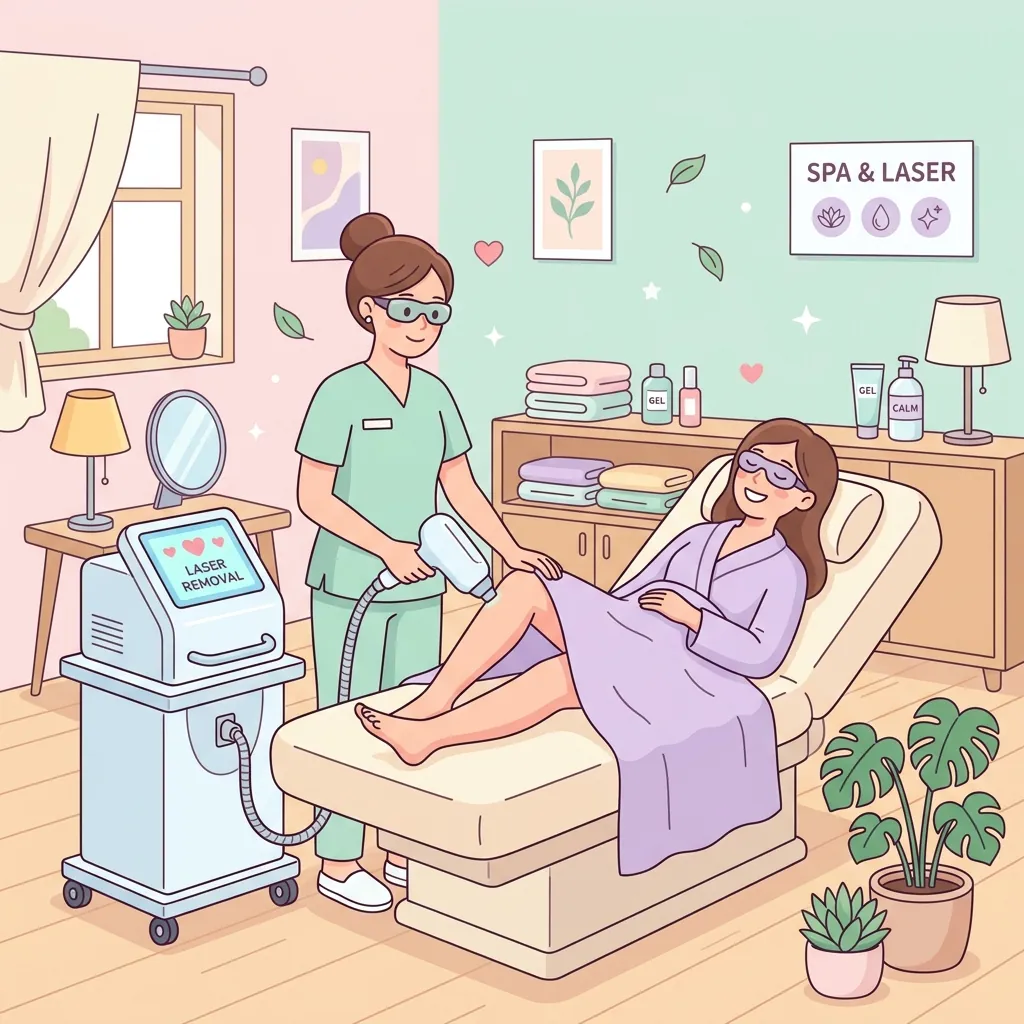
While mastering this makeup routine gives you immediate freedom and confidence, applying color corrector every single day can be exhausting. If you are looking to permanently reduce or eliminate the shadow at its source, consider long-term hair removal options.
Laser Hair Removal and IPL: These treatments target the dark pigment in the hair follicle, destroying the root over several sessions. This is highly effective for people with light skin and dark hair. Once the root is gone, the blue-gray shadow disappears entirely.
Electrolysis: This is the only FDA-approved method for permanent hair removal. It treats one hair follicle at a time and works on all hair colors (including blonde and gray) and all skin tones. It is a slower and often more painful process, but the results are permanent.
HRT (Hormone Replacement Therapy): If you are on feminizing HRT (like estrogen and anti-androgens), you may notice that your facial hair grows slightly slower or becomes slightly finer over time. However, HRT will not stop facial hair growth entirely or get rid of the shadow on its own. For full elimination, laser or electrolysis is usually required.
Learning to hide beard shadow takes a little bit of practice, and your first attempt might not be perfect. Be gentle with yourself. Play around with different shades of corrector and concealer until you find your exact match. Once you lock in this routine, it will become second nature, taking just a few minutes of your morning to give you the confidence to step out into the sunlight feeling completely like yourself. You've got this!