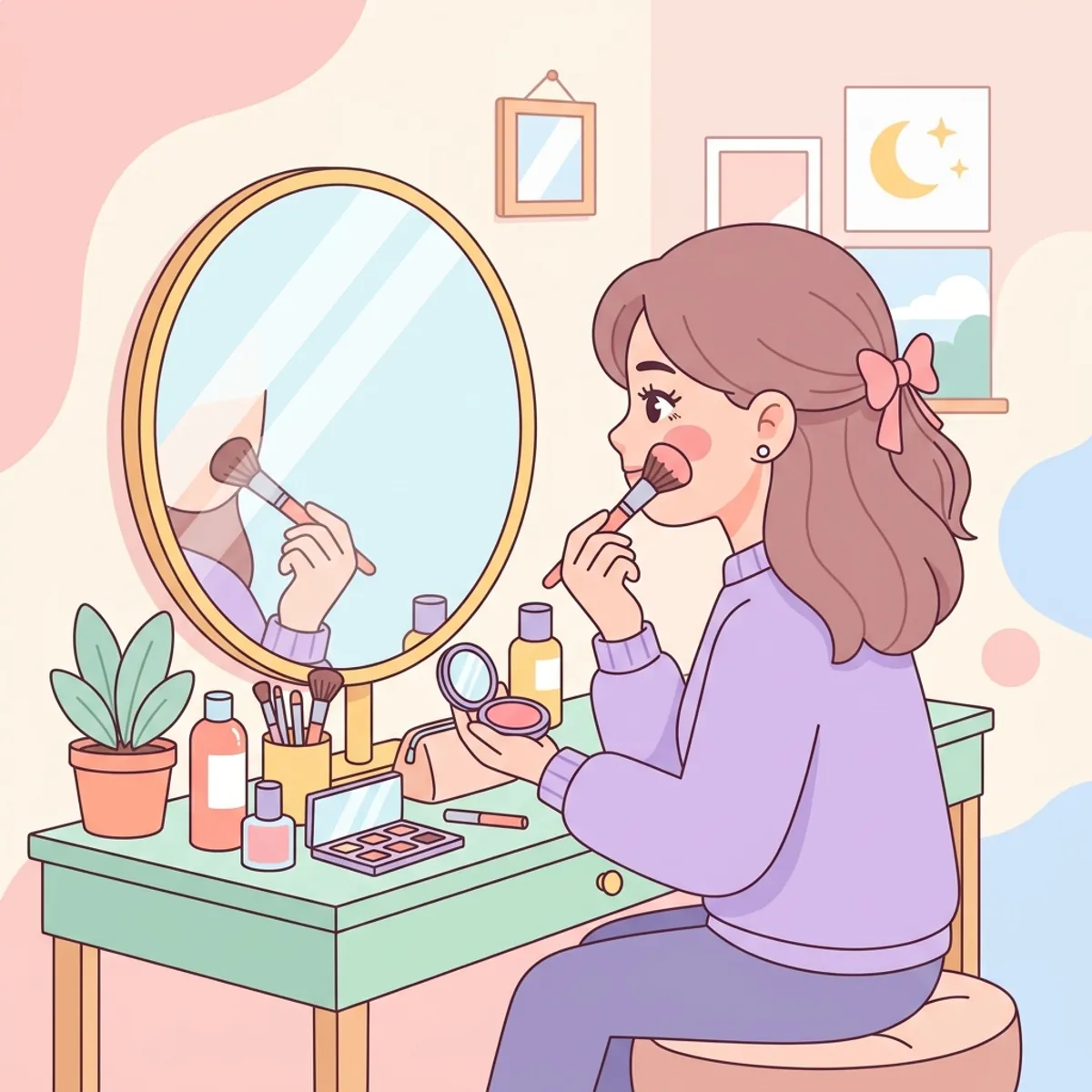

If you have ever searched for "how to stop crossdressing," you are not alone. Thousands of people feel this way every day. They often feel a mix of guilt, fear, and pressure from the world around them[1]. For many, wearing clothes meant for another gender feels like a "secret" they must hide or get rid of. However, science and personal stories show that trying to stop usually doesn't work[2, 3]. This guide explains why "pushing it down" fails and how you can find real peace by being yourself.
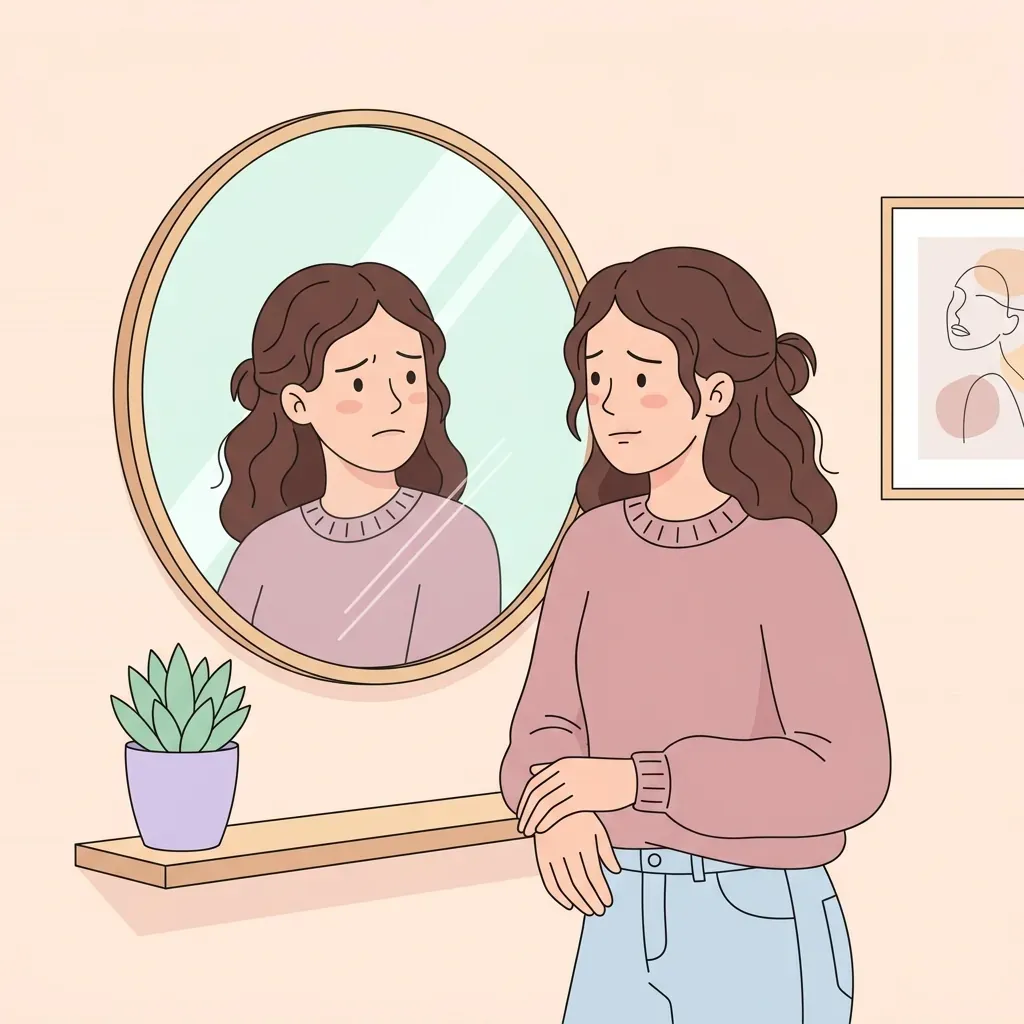
Why Do People Want to Stop?
Most people don't want to stop because they hate the clothes. They want to stop because of how they think others will see them[1, 4]. Society has very strict "rules" about what men and women should wear. When we break those rules, we feel like we are doing something wrong.
Here are the most common reasons why people try to quit:
- Saving Relationships: Fear that a wife, husband, or partner will leave if they find out[5].
- Family and Religion: Being raised in a home or church where crossdressing is called a "sin" or a "shame"[4].
- Work and Career: Worrying that boss or coworkers will find out and treat them differently.
- The Weight of a Secret: It is very tiring to hide a big part of your life for years[6].
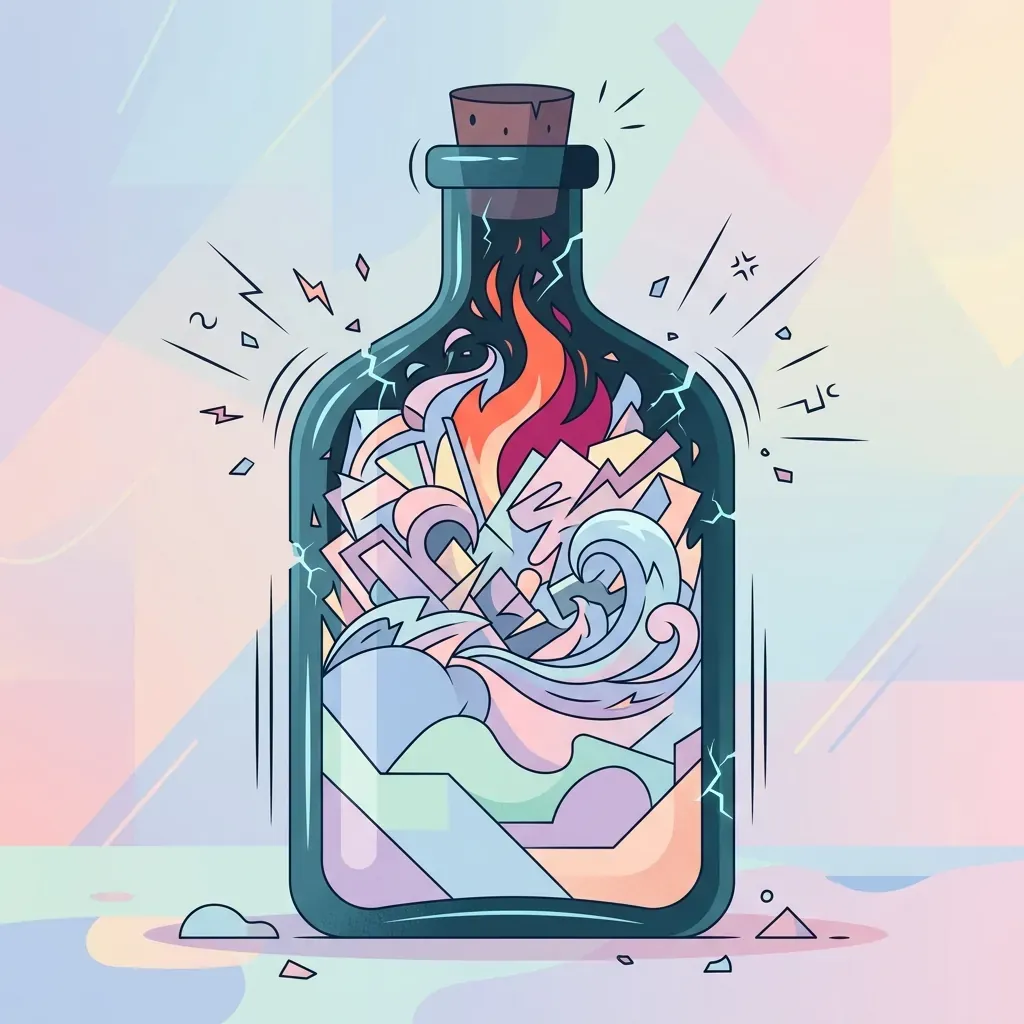
Why "Pushing it Down" Backfires
In psychology, there is a famous idea called the "Pink Elephant Rule." If someone tells you, "Whatever you do, do NOT think about a pink elephant," what is the first thing you think of? A pink elephant!
The same thing happens with crossdressing. When you tell your brain, "I must never think about these clothes again," your brain has to constantly check to see if you are thinking about them[2]. This keeps the idea at the front of your mind.
Suppression usually leads to:
- Stronger Urges: When the feelings eventually come back, they are much more powerful than before[3].
- Constant Anxiety: Living two different lives makes you feel worried and on edge all the time[6].
- Feeling Empty: When you deny a part of who you are, life can feel "grey" or "hollow"[1].
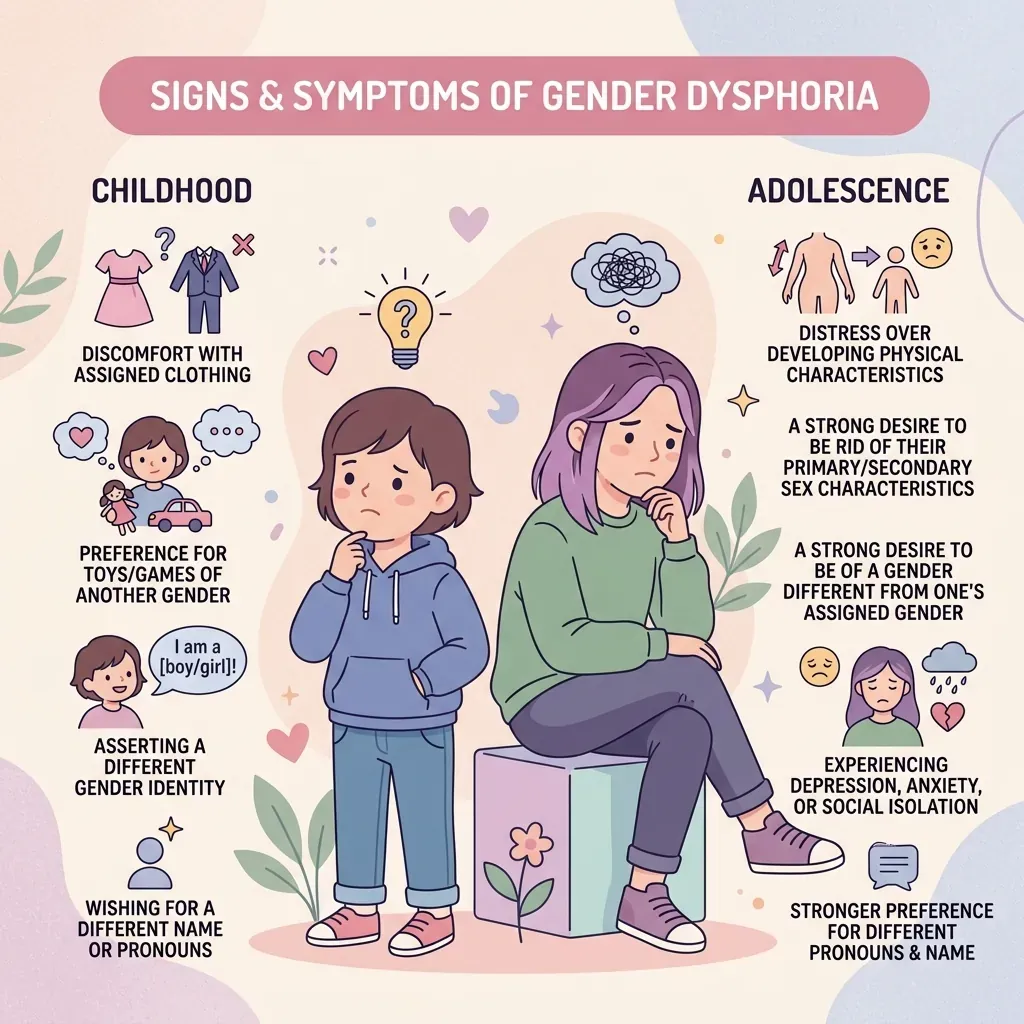
Understanding the "Purge" Cycle
Many crossdressers know "The Purge" very well. It is a cycle that goes like this: Buy → Dress → Feel Guilty → Throw Away → Repeat[3, 7].
After a session of dressing up, you might feel a sudden "hit" of shame. You decide you are "done forever." You throw all your clothes and makeup in the trash. For a few days, you feel "clean" and relieved.
But the feeling doesn't last. A few weeks later, the urge returns. Now, you have to spend more money to buy everything again. This adds money stress to your emotional stress[7]. Most crossdressers have done this many times before they realize it doesn't work.
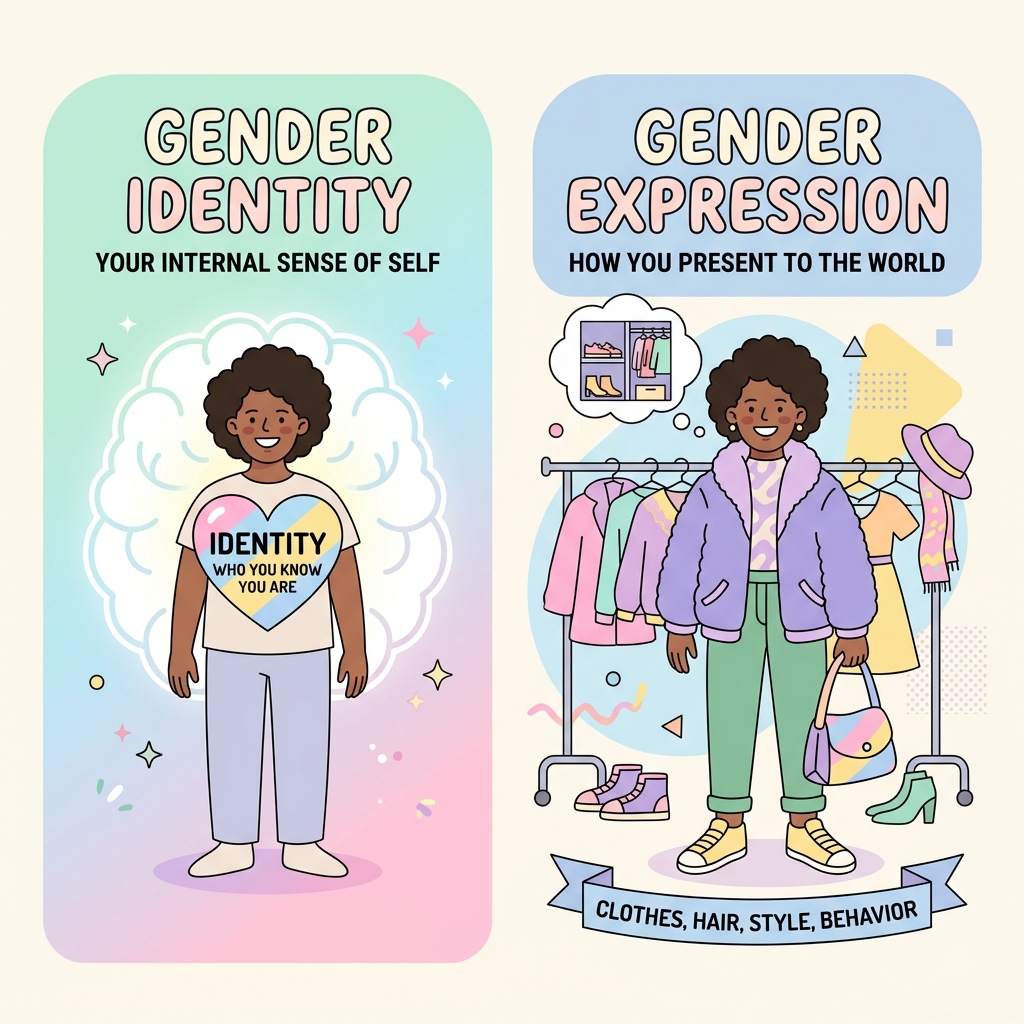
Identity vs. Expression
It is important to know the difference between who you are and what you wear.
- Gender Identity: This is your internal sense of being a man, a woman, or non-binary.
- Gender Expression: This is how you show your gender through clothes, hair, and behavior.
You can be a man who likes to wear feminine clothes. You don't have to "be a woman" to enjoy the feeling of soft fabrics or a different style. For many, crossdressing is just a way to express a part of their personality that the world usually tells them to hide.
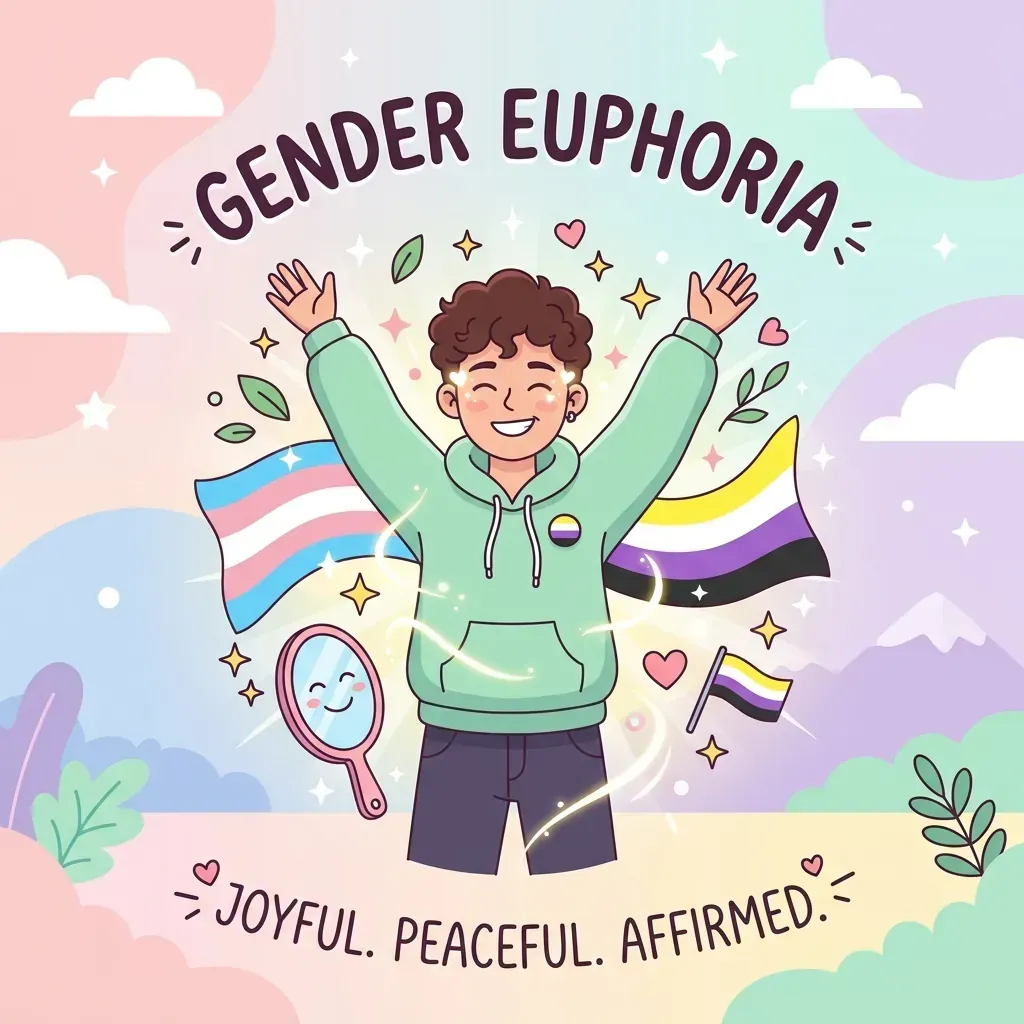
The Science of Feeling Good
There is a biological reason why crossdressing feels so good. When you wear something that makes you feel happy or "right," your brain releases dopamine and serotonin[8]. These are chemicals that make you feel calm and safe.
For many, dressing up is a way to handle stress. It lowers your "cortisol" (the stress hormone). When you try to stop, you are taking away your brain's natural way of finding peace. This is why it feels so difficult to quit—your brain is literally looking for a way to feel safe.
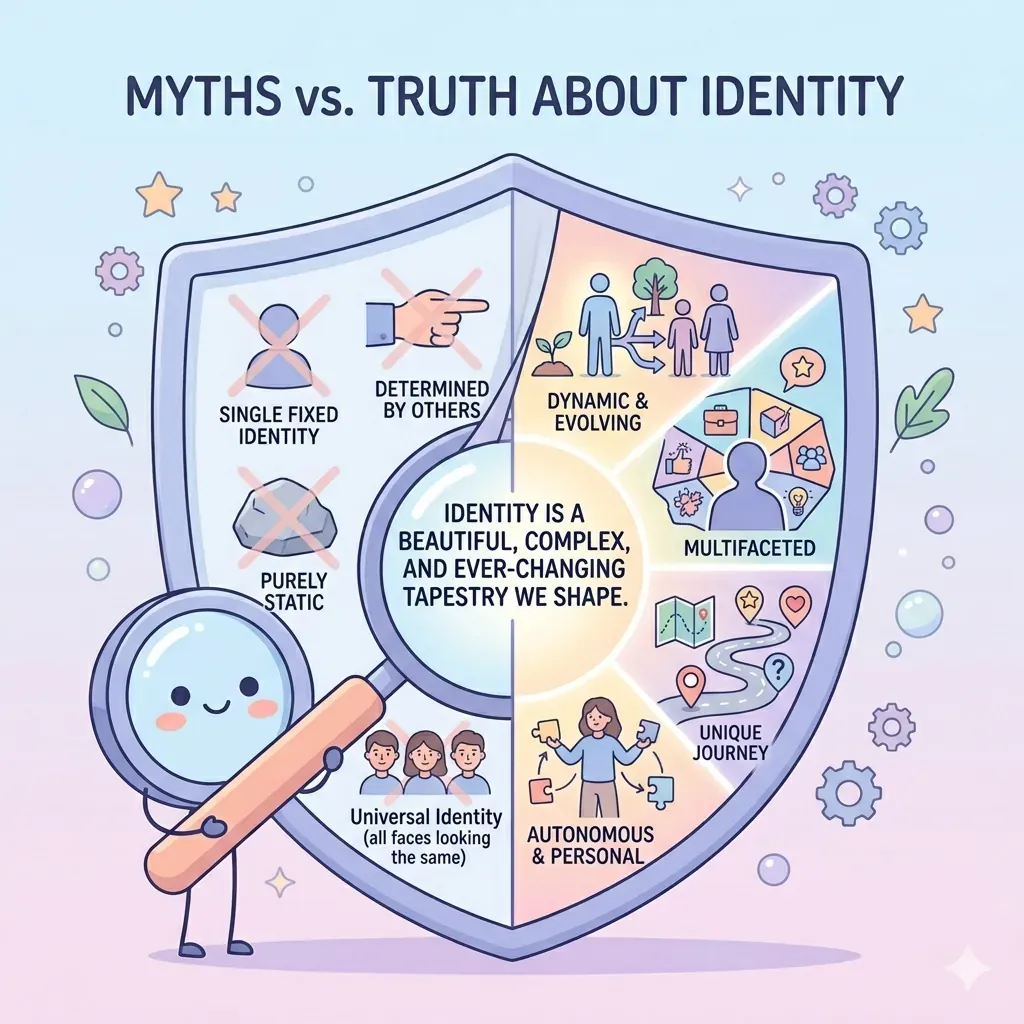
Common Myths vs. The Facts
Myth: It is a mental illness that needs a "cure."
Fact: Major health organizations like the WHO say crossdressing is a natural part of human variety[9]. The "problem" is the shame, not the clothes.
Myth: It is always about a "fetish."
Fact: While it can be sexual for some, for most it is about comfort, emotional release, and identity.
Myth: If you stop for a few months, it will go away forever.
Fact: Feelings often go into "remission" during busy times, but they almost always return eventually.
Practical Steps to Find Peace
- The "Safety Box" Rule: Instead of throwing clothes away, put them in a sealed box in storage. Tell yourself you won't touch them for 30 days. This stops the "purge" and saves you money.
- Scheduled Time: Set a specific time each week to be yourself. This makes the feelings feel "managed" instead of "out of control."
- Talk to One Person: Finding a therapist or a trusted friend to talk to takes the "power" away from the secret.
- Be Kind to Yourself: Treat yourself like you would treat a best friend. You wouldn't yell at a friend for their clothes; don't do it to yourself.
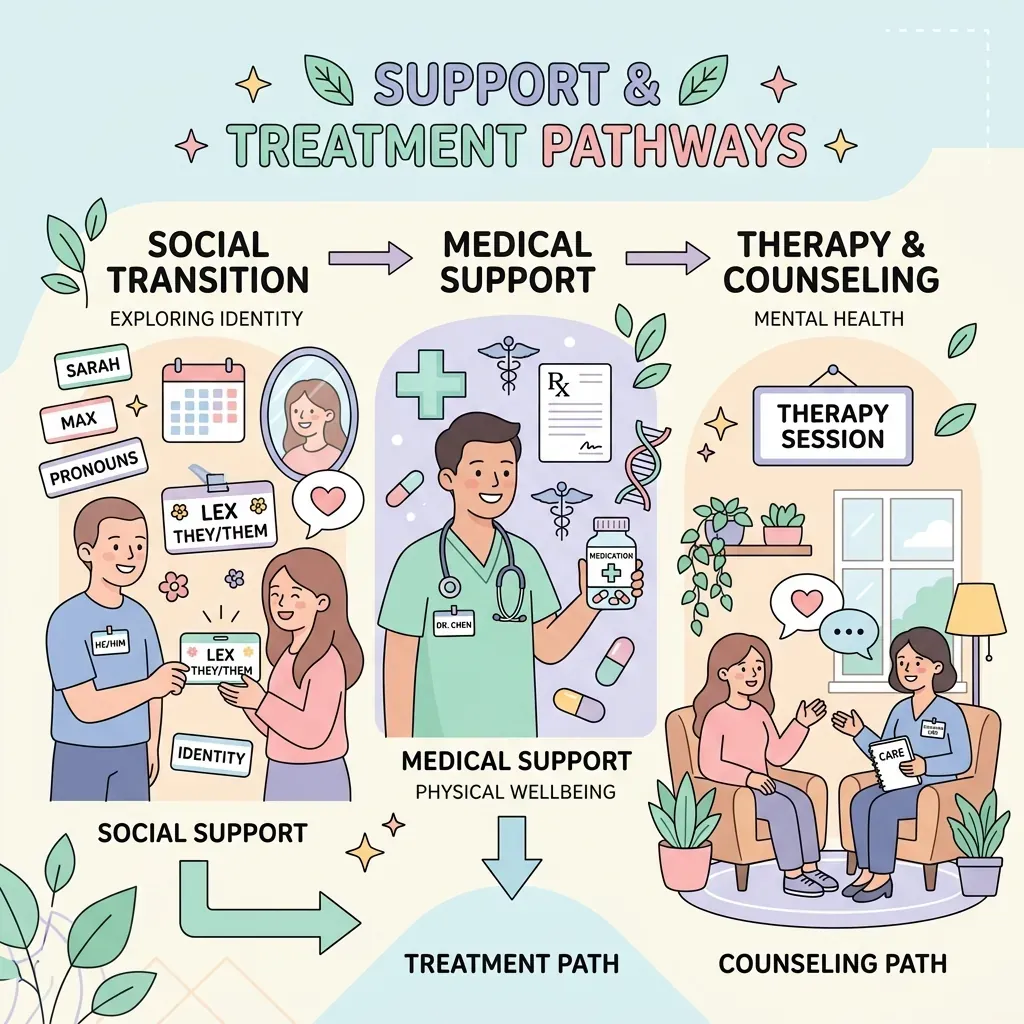
The Way to True Peace
If stopping doesn't work, what does? The answer is Acceptance.
Instead of trying to "kill" one part of yourself, try to find a way for all parts to live together. This is called "Integration." You can be a great dad, a hard worker, and a kind friend—and also someone who enjoys feminine expression. These things are not opposites; they are all parts of who you are.
When you stop fighting yourself, you have so much more energy to spend on your life, your family, and your happiness.
You Deserve to be Happy
Your journey is unique. There is no right or wrong way to be "you." Whether you choose to crossdress in private, share it with others, or eventually transition, the goal is always the same: to live a life where you feel at home in your own skin.
"The goal is not to become someone else, but to finally be the person you have always been."
Frequently Asked Questions
Is it possible to stop forever? ↓
For most people, the desire never fully goes away. It might disappear for a while, but it usually comes back. Instead of trying to stop "forever," focus on finding a way to make it a healthy and peaceful part of your life.
Does this mean I am transgender? ↓
Not necessarily. Many men crossdress and are very happy remaining men. Others eventually realize they are trans. Both are okay! There is no rush to "pick a label." Give yourself time to explore how you feel.
How do I tell my partner? ↓
This is the hardest part. Secrets can hurt a marriage more than the clothes do. If you feel safe, talking to a "LGBTQ-friendly" counselor can help you find the best way to share your secret honestly and with love.
Can crossdressing be cured? ↓
Crossdressing is not an illness, so there is nothing to "cure." What people usually want to be free of is the guilt, shame or feeling of being out of control. Those can be worked on, often with support from an LGBTQ-friendly counselor, without needing to erase who you are.
How do I quit crossdressing? ↓
Some people choose to step back, and that is their decision. Suppression often backfires and can lead to the purge cycle described above. If you want to quit, go slowly, look at why you feel the urge, and get support instead of relying on willpower alone.
Is crossdressing just a phase? ↓
For some people it is a period of exploration, and for others it stays a lifelong part of who they are. Neither is wrong. Give yourself time and notice how you feel over months, not days.
How do I stop boymoding? ↓
Boymoding means trying to act in a stereotypically masculine way to hide your feelings. It can be exhausting. Instead of forcing yourself to stop or to keep it up, find a safe space or person where you can drop the act, and go at your own pace.
Resources for Support
- PFLAG: Help for families and allies of LGBTQ+ people. Visit PFLAG
- The Trevor Project: Support for young people in crisis. Visit The Trevor Project
- Psychology Today: Find a therapist who understands gender issues. Find a Therapist
References
- American Psychiatric Association (2022). Diagnostic and Statistical Manual of Mental Disorders (DSM-5-TR)
- Wegner, D. M. (1994). Ironic processes of mental control
- Merck Manual (2026). Transvestic Disorder Overview
- Psychology Today (2023). The Psychology of Identity
- GLAAD (2024). Tips for Partners
- WPATH (2022). Standards of Care Version 8
- Community Research (2025). The Cycle of the Purge
- Neurobiology Study (2024). Dopamine and Self-Expression
- World Health Organization (2021). ICD-11 Classification
This article is for information only. If you are in deep distress, please call a local crisis line.
© 2026 TransNote.me — Helping you be your true self.