

Globally, only an estimated 2% of transgender people complete a university degree, compared to over 30% of the general population. The primary causes are bullying (affecting 45% of trans students per the 2023 GLSEN National School Climate Survey), institutional discrimination such as deadnaming and bathroom access denial, and loss of family financial support. This comprehensive guide examines the global data on the transgender education gap and offers practical strategies for completing education safely.
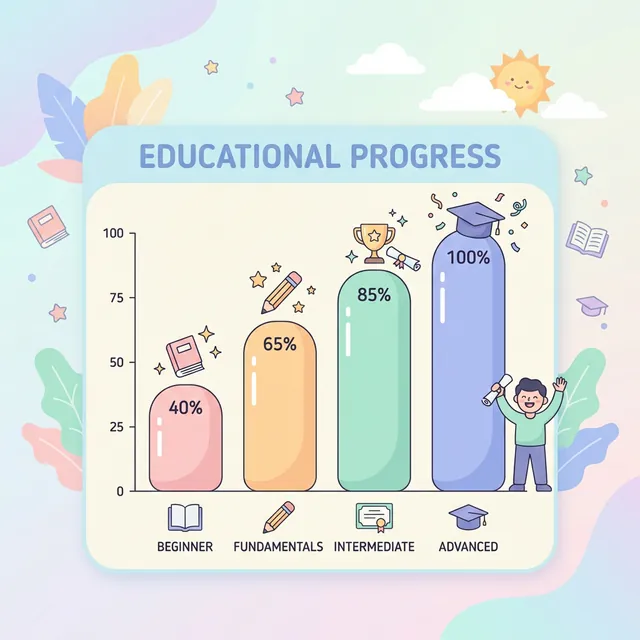
Global Education Statistics (2025/2026)
Global data shows that transgender people are much more likely to drop out before finishing their degree. Most stop after high school.
| Highest Level Completed | % (Estimate) |
|---|---|
| Primary School Only | 24% |
| High School | 56% |
| Higher Secondary | 20% |
| University Degree | Only 2% |
Source: Multiple surveys including U.S. Transgender Survey (NCTE) and global research

MTF vs. FTM Struggles
The struggles in school are different for each group.
| Group | Specific Challenges |
|---|---|
| MTF (Transgender Women) | Often "very visible" and targeted for physical bullying. Higher risk of family rejection and homelessness. |
| FTM (Transgender Men) | Often face "invisible" bullying and high mental stress (52% report suicidal ideation). High rates of staff discrimination. |

Why do they drop out early?
Three core factors drive the "Dropout Pipeline":
- Safety: 45% are bullied. Fear makes studying impossible.
- Institutional: Forced use of wrong bathrooms and "dead-naming."
- Money: Loss of family support for books and fees.

Global Context
The gap is a worldwide issue. In the US, restrictive laws create a hostile environment. In the UK, financial estrangement is a major barrier. In Brazil, physical violence is a constant threat.
Practical Advice: How to Complete Your Education
1. Timing your Transition
If it's dangerous, consider waiting until after degree completion to start medical steps.
2. Find a "Safe Area"
Research trans-friendly universities or migrate to cities with better protections.
3. Get Professional Help
Find a gender-affirming therapist and join student support groups.
4. Choose Wise Subjects
Fields like Tech, Arts, or Design are often more accepting and remote-friendly.
"The Education Gap exists because the world is still learning how to be inclusive. By staying focused and making a safety plan, you can beat the statistics."
Frequently Asked Questions
Why do transgender students drop out of school?
The main reasons are: bullying and harassment (45% of trans students report bullying), institutional discrimination (deadnaming, bathroom denial, misgendering), family conflict or lack of support, financial hardship, mental health challenges (including depression and suicidal ideation), and lack of trans-friendly resources on campus. Most drop out because school feels unsafe, not because they lack intelligence or motivation.
What percentage of transgender people finish university?
Globally, only about 2% of transgender people complete a university degree, compared to over 30% of the general population. This stark gap reflects systemic barriers and discrimination rather than academic ability. However, rates vary significantly by country and region based on local policies and support systems.
How can schools support transgender students?
Schools can: use students’ correct names and pronouns in all communications, provide gender-neutral bathrooms and changing facilities, enforce anti-harassment policies with real consequences, offer trans-inclusive curriculum and resources, train staff on gender identity, connect students with LGBTQ+ support groups, allow students to update legal records, and create inclusive health/counseling services. Visible leadership commitment to inclusion is crucial.
Are there scholarships for transgender students?
Yes! Organizations like the Point Foundation, Trans Lifeline, and many colleges offer scholarships specifically for transgender students. Additionally, many LGBTQ+-friendly colleges offer financial aid packages. Research your target schools’ inclusive policies and search for “transgender scholarships” or “LGBTQ+ scholarships” in your country. Reach out directly to financial aid offices to ask about support.