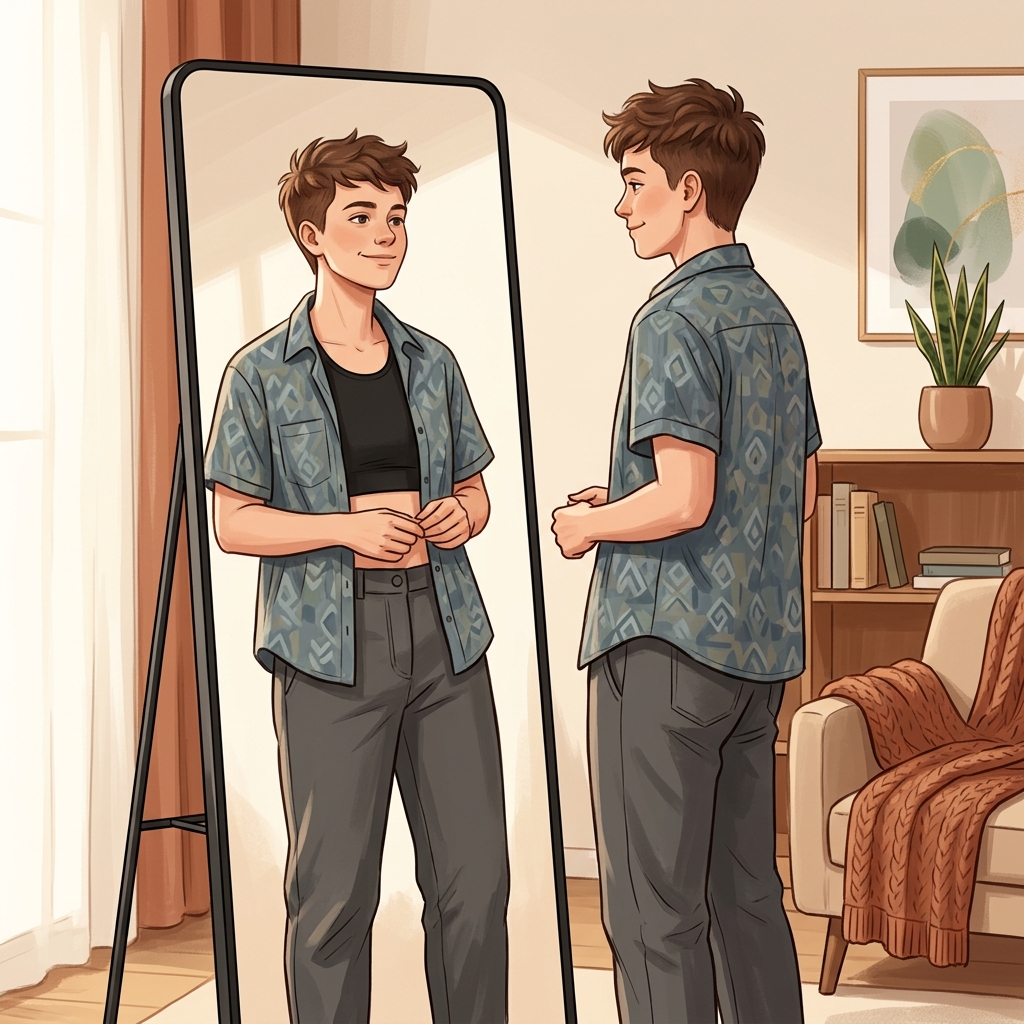
Chest binding is the practice of flattening chest tissue to create a masculine or androgynous appearance. It sounds simple — but for the people who do it, the effect can be absolutely life-changing. One piece of clothing, worn on the chest, and suddenly the person in the mirror starts to look like who you actually feel like inside.
👕 What Is Chest Binding?
Chest binding is a gender-affirming practice done by all kinds of different people. Some people bind to reduce gender dysphoria, some to present in a way that feels more aligned with their gender identity, and others because they just like the way it looks.
But binding done wrong can seriously hurt you. This guide covers every type, every tip, every risk, and every resource — so you can make informed decisions about your own body.
Who Binds Their Chest?
- • Trans men (FTM) seeking a masculine chest.
- • Nonbinary individuals for an androgynous look.
- • Gender-fluid people on masculine presentation days.
- • Performers & Cosplayers for character accuracy.
- • Crossdressers exploring gender expression.
🎒 Types of Binders
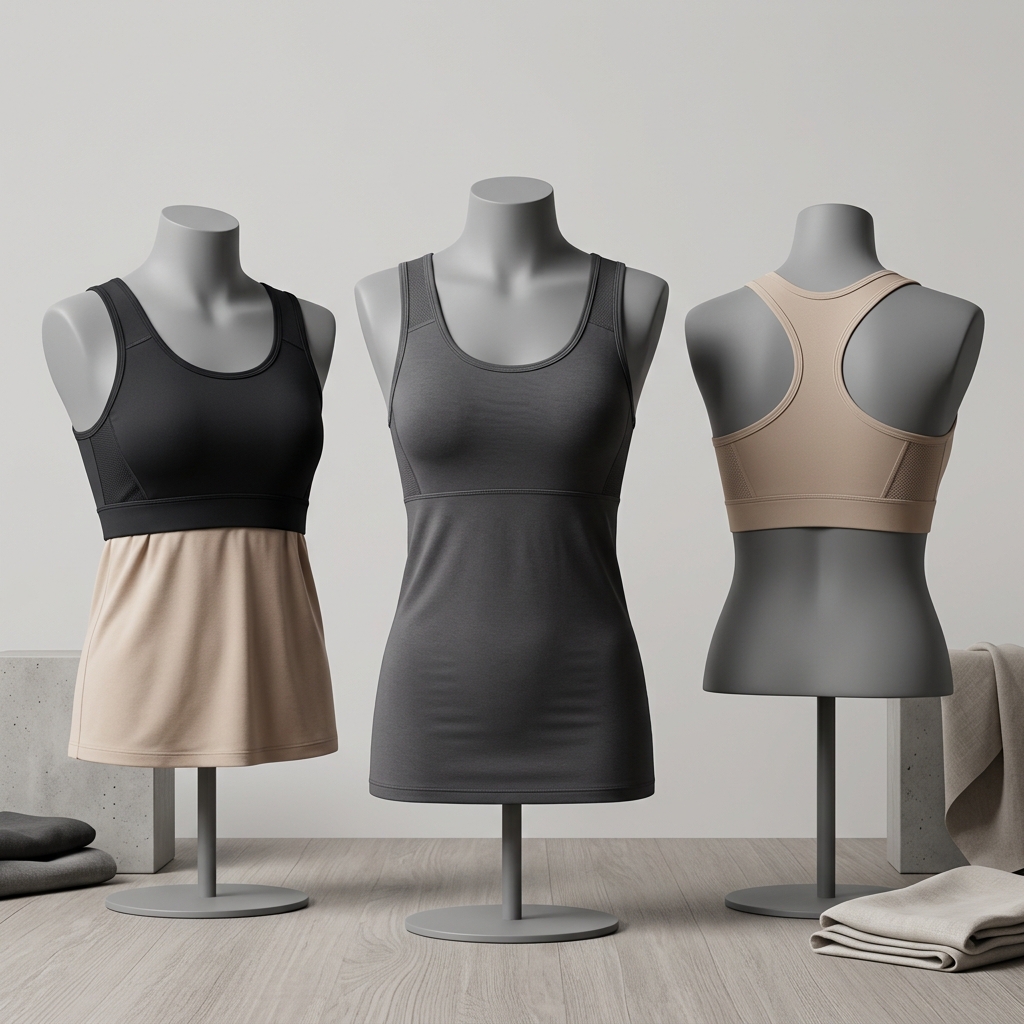
Finding the Right Style
- 🩱 Half-Tank: Sits at the ribcage. Great for everyday wear and layering in summer.
- 🎽 Full-Length: Extends to the hips. Stays in place better for larger chests or those who carry extra weight.
- 🏃 Sports/Racerback: Breathable and moisture-wicking. Better for light activity and freedom of movement.
- 🔩 Closures: Binders with zippers or velcro are easier for those with limited mobility or larger chests.
🎗️ Trans Tape — The Tape Method
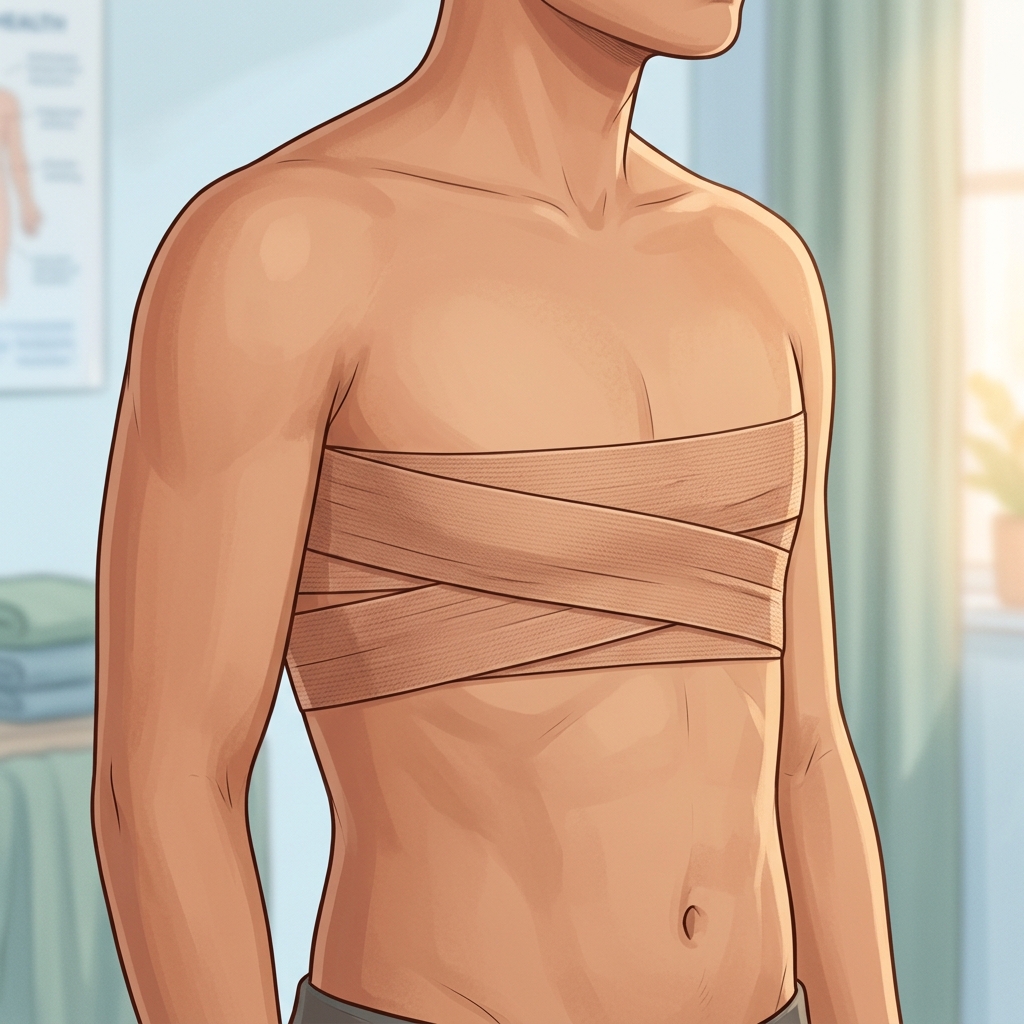
Repositioning vs. Compressing
Trans tape works by repositioning tissue to the sides rather than squashing it flat. It's waterproof, sweat-resistant, and can often be worn for several days.
📏 How to Measure for a Binder
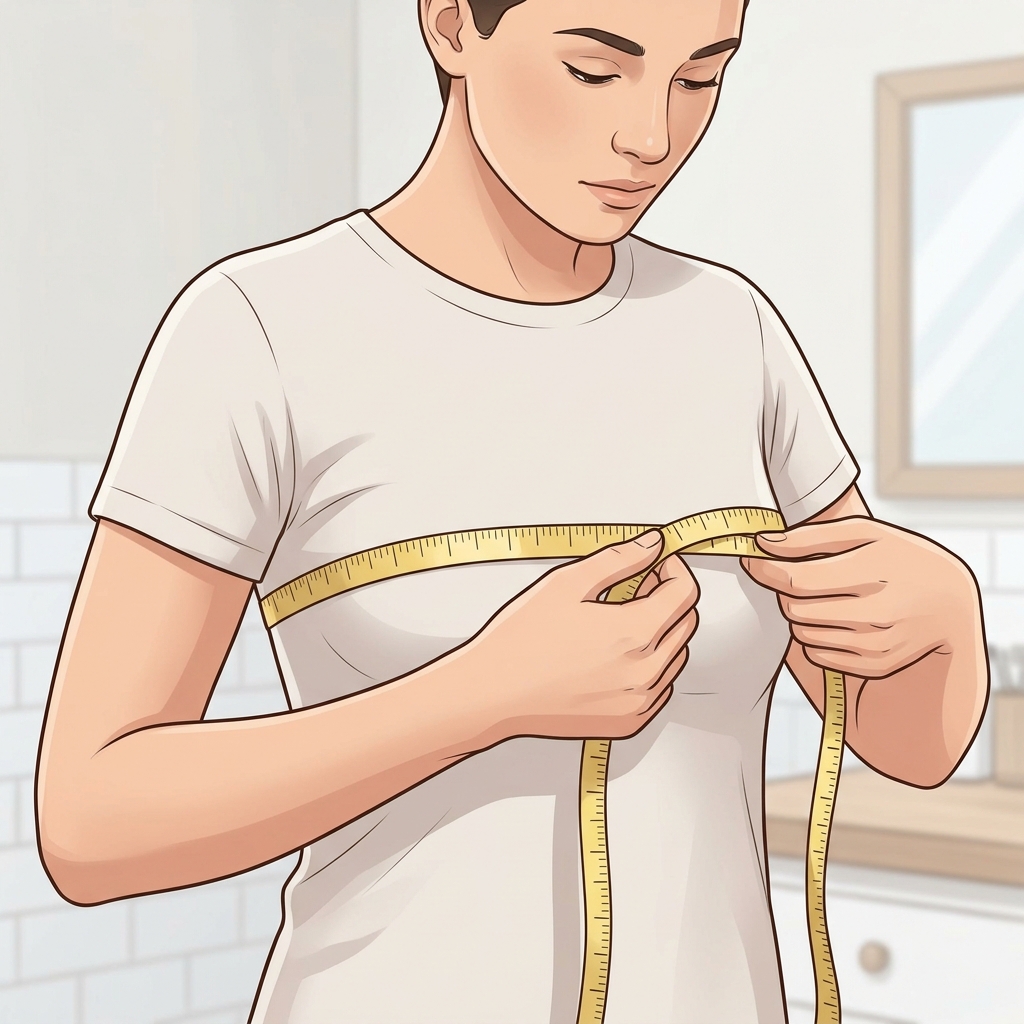
Size Matters for Safety
A too-small binder is dangerous. Always measure against bare skin.
- Chest: Measure around the fullest part at nipple level.
- Underbust: Measure firmly around your ribcage.
- Check Charts: Every brand sizes differently.
- Size Up: If you're between sizes, always go larger.
⚓ The Golden Rules of Safe Binding
- ✅ 8 Hours Max: Never bind for longer than 8 hours.
- ✅ No Sleeping: Your body needs to breathe while you rest.
- ✅ No Double-Binding: Never wear two binders at once.
- ✅ Listen to Pain: If it hurts, take it off immediately.
- ✅ Take Breaks: Dedicate at least one or two days a week to being binder-free.
👕 How to Put On a Binder
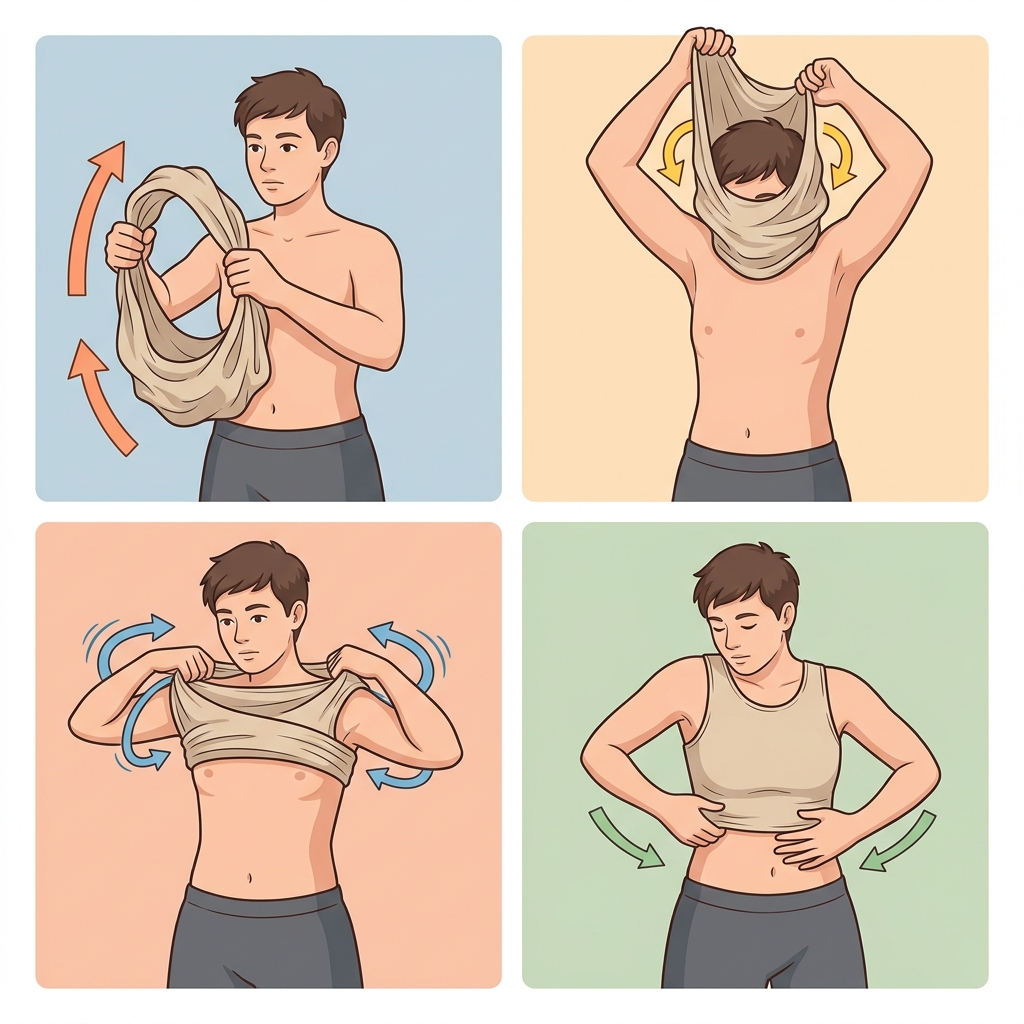
The Methods
A. Over the Head: Bunch it up, put your arms through, and roll it down.
B. Step Into It: For long binders, step between the straps and pull it up like a swimsuit.
🧠 Mental Health & Confidence
The mental health benefits of safe binding are documented and real. A landmark 2017 study found that binding improved mood and reduced dysphoria, depression, and anxiety for many individuals.
"Binding allowed me to walk into a room and finally feel like people were seeing ME, not just my body."
❓ Frequently Asked Questions
Can I swim in a binder?
How often should I wash my binder?
Does binding affect top surgery results?
🤝 Resources & Support
- 🌐 Point of Pride — Free binder programs for those in need.
- 🌐 TransTape — High-quality tape binding supplies.
- 🌐 gc2b — One of the world's most trusted binder brands.
- 🌐 Trans Lifeline — Peer support by and for trans people.
📚 Sources
This article is for informational purposes only and does not constitute medical advice. Always consult qualified professionals. © 2026 TransNote.me