
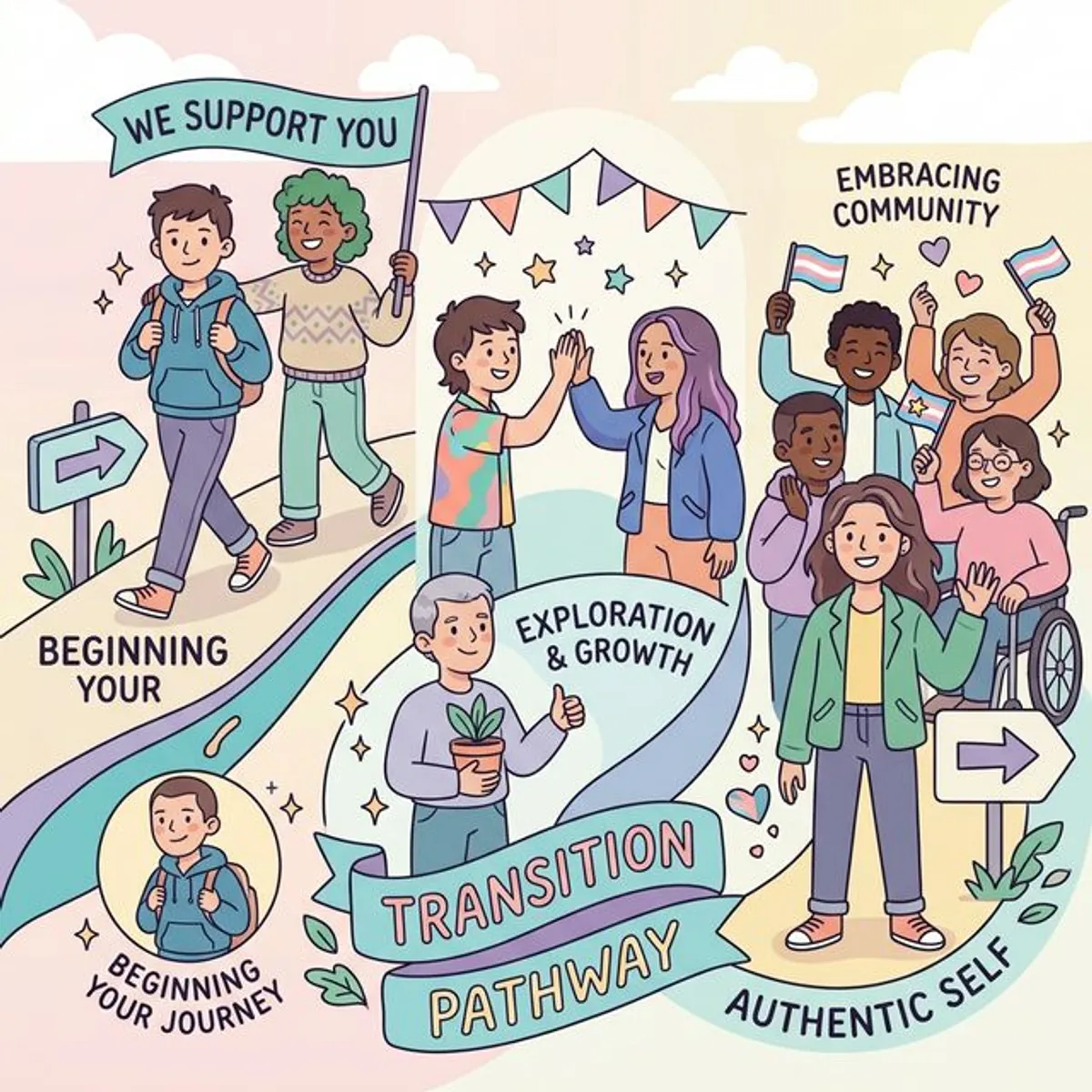
Transitioning is the process of living as the gender you truly are. It looks different for every person — some people change their name and clothing, some use hormones or surgery, and some update their legal documents. There is no single "right" way to transition. This guide walks you through each path in plain, simple language.
🌱 1. What Is Transition?
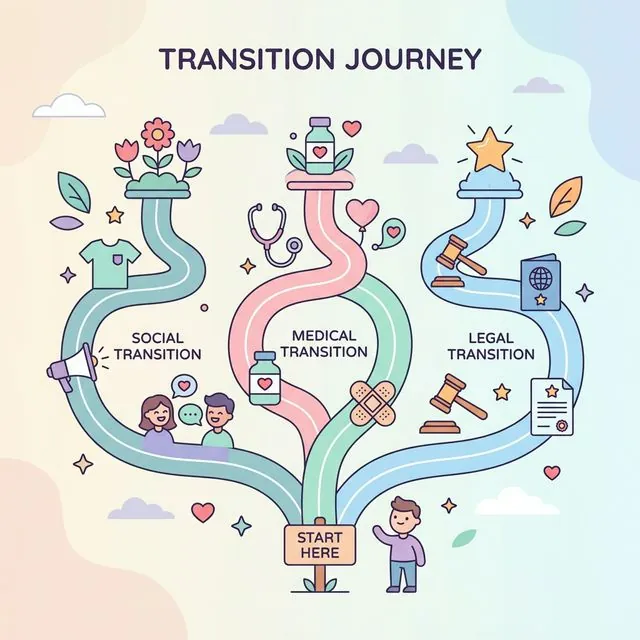
Transition has three main paths. You can choose one, two, all three — or none at all. You do not have to do everything to be valid.
- 🧍 Social Transition: Changing your name, pronouns, clothing, hair, and how you present yourself to the world.
- 💊 Medical Transition: Using hormones and/or surgery to bring your body closer to how you feel inside.
- 📄 Legal Transition: Updating your name and gender marker on official documents like your passport or national ID.
Key fact: According to the World Professional Association for Transgender Health (WPATH), regret rates following gender-affirming care are as low as 1% — among the lowest of any medical procedure.
🪞 2. Social Transition: Name, Pronouns & Presentation
Social transition is usually the first step. It costs nothing and requires no doctor or legal process. You simply begin living, dressing, and introducing yourself as who you truly are.

Choosing a New Name
Your chosen name is your real name — even before you update it legally. Pick a name that feels right to you. Try it out in safe spaces first, like online communities or with trusted friends.
- ✅ Does it feel like you?
- ✅ Is it easy for others to say and spell?
- ✅ Does it connect to your culture or values?
- ✅ Try it on social media or in games before using it widely
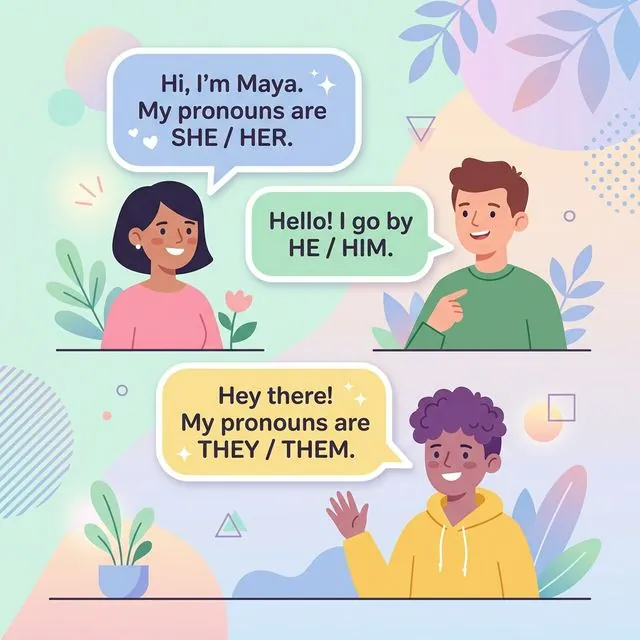
Pronouns
Pronouns tell the world how to refer to you. Using someone's correct pronouns is one of the simplest and most powerful ways to show respect. A transgender person's pronouns are not a "preference" — they are simply correct.
| Pronouns | Example |
|---|---|
| She / Her | "She went to the store." |
| He / Him | "He is a great friend." |
| They / Them | "They are studying tonight." |
| Ze / Zir | "Ze finished the project." |
Research shows that trans people whose pronouns are respected have half the rate of attempted suicide compared to those whose pronouns are not. — The Trevor Project

Changing Your Presentation
There is no single "correct" way to present. Start with whatever feels comfortable and affordable.
- 👗 Clothing: Thrift stores and online shops are great, budget-friendly starting points.
- 💇 Hair: A new cut or color can be one of the most affirming early changes.
- 💄 Makeup: Free tutorials on YouTube and TikTok can take you from zero to confident.
- 🗣️ Voice: A speech therapist or dedicated voice app can help feminize or masculinize your voice.
- 🚶 Body language: Posture, gait, and gestures all contribute to how your gender is read by others.
💊 3. Medical Transition: HRT & Surgery
Medical transition uses hormones and/or surgery to help your body match your gender identity. It is not required — but for many people, it is life-changing. All decisions should be made with a qualified doctor.
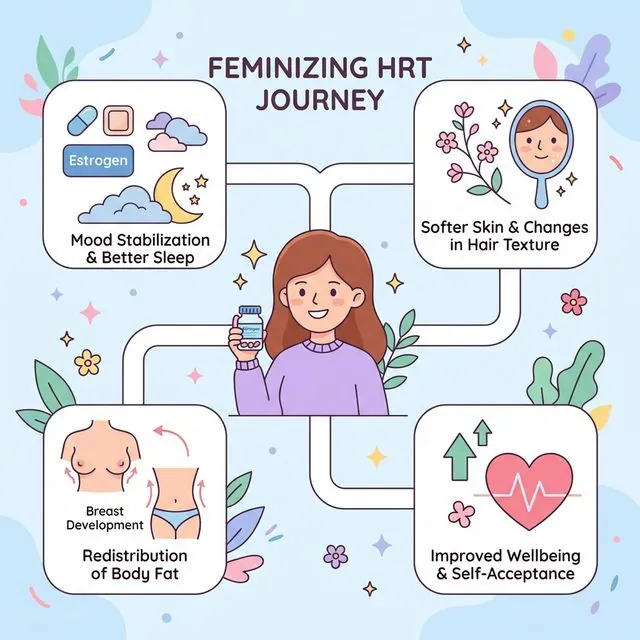
Feminizing HRT (for trans women)
Feminizing HRT uses estrogen (and usually testosterone blockers) to change how your body looks and feels. It is taken as a patch, pill, injection, or gel.
| Time | What Changes |
|---|---|
| 1–3 months | Softer skin, mood shifts |
| 3–6 months | Breast buds, fat moves to hips |
| 6–12 months | Breast growth, facial hair slows |
| 1–3 years | Breast and body shape near final |
| 2–6 years | Full effects reached |
⚠️ Breast growth is permanent. Fertility is affected — consider preserving fertility before starting.
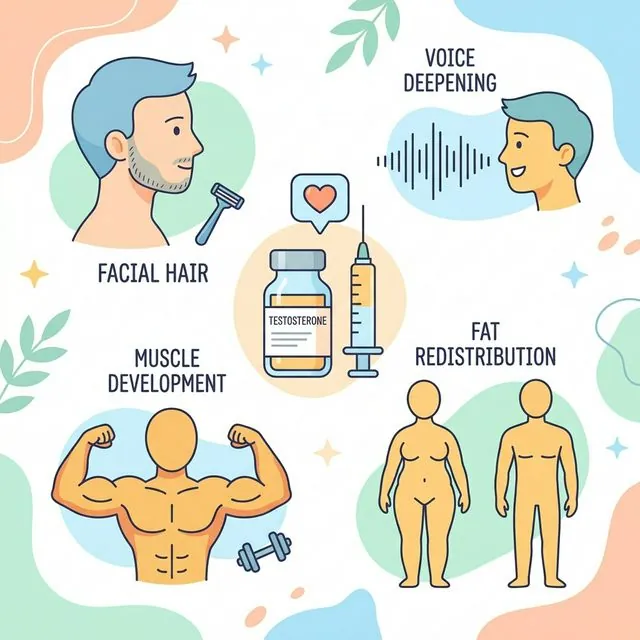
Masculinizing HRT (for trans men)
Masculinizing HRT uses testosterone, taken as an injection or transdermal gel. It produces significant and lasting changes.
| Time | What Changes |
|---|---|
| 1–3 months | Oilier skin, increased libido |
| 3–6 months | Voice begins to deepen, facial hair starts |
| 6–12 months | Periods usually stop, muscle increases |
| 1–5 years | Voice and beard reach full development |
⚠️ Voice deepening is permanent and one of the most significant changes on testosterone.
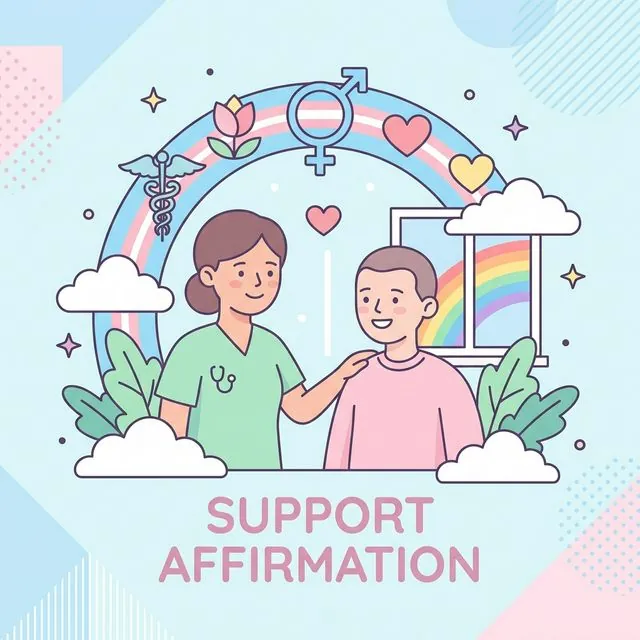
Gender-Affirming Surgery
Surgery is never required, but for many people it is a deeply important step. Common options include:
For trans women (MTF):
- • Vaginoplasty — construction of a vagina
- • Breast augmentation — for additional breast volume
- • Facial feminization surgery (FFS) — softening facial features
- • Voice surgery — raising vocal pitch
For trans men (FTM):
- • Top surgery — chest masculinization (most commonly sought)
- • Phalloplasty / Metoidioplasty — construction of a penis
- • Hysterectomy — removal of the uterus
Studies report satisfaction rates of 77–95% following gender-affirming surgery. The regret rate is approximately 1%. — WPATH Standards of Care, 2022
📄 4. Legal Transition: Updating Your Documents
Having documents that match your gender and name is important for your safety, privacy, and access to services like healthcare and employment. The process is different in every country, but the general steps are similar worldwide.
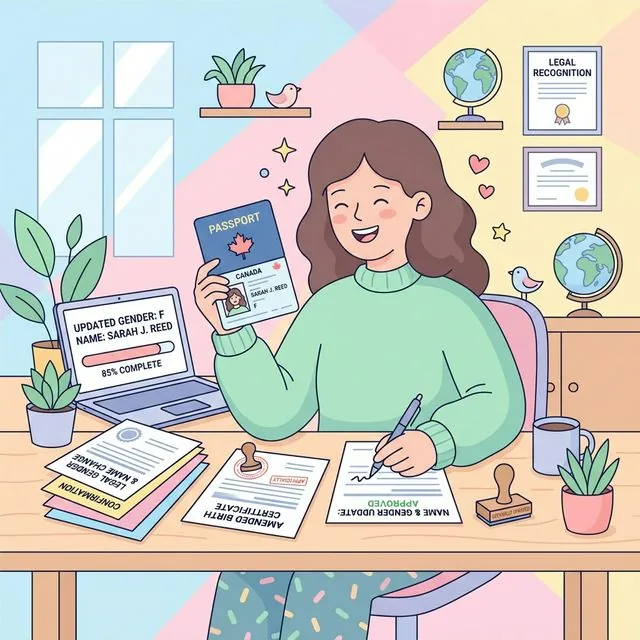
Common Steps Across Most Countries
- Legal name change: Apply to a government authority (a court or registry office). You will receive an official document confirming the change. Get multiple certified copies — you will need them for each record you update.
- Update your gender marker: This is separate from a name change. Some countries allow self-declaration. Others require a medical letter or court order.
- Update your other records: Bank accounts, health insurance, employer files, school transcripts, and travel documents. Do this one at a time — it takes patience.
- Ask about privacy: Many countries let you request that your case records be sealed, so your personal details stay private.
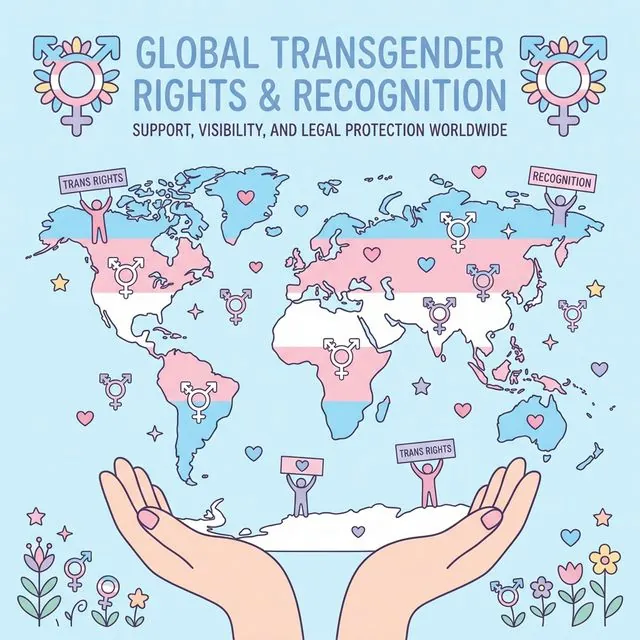
How Countries Differ
- 🟢 Self-identification model: You simply fill in a form — no surgery, no doctor's letter, no diagnosis needed. This is the simplest and most respectful approach, used by a growing number of countries.
- 🟡 Medical model: You need a formal diagnosis or proof of hormone therapy before your documents can be updated.
- 🔴 Surgery required: Some countries still require proof of gender-affirming surgery. This is increasingly considered outdated by international human rights standards.
- ⛔ No recognition: In a small number of countries, legal gender changes are not possible at all.
For country-by-country detail, visit ILGA World or Transgender Europe (TGEU).
🕰️ 5. Transitioning Later in Life
You can transition at any age. People have started in their 40s, 50s, 60s, and beyond — and report that it was one of the best decisions of their lives. It is never too late.

Why Do People Wait?
Research shows that many trans people delay transition for decades. Common reasons include:
- • Growing up without language or visibility for transgender identity
- • Fear of losing a partner, children, or family relationships
- • Career or financial concerns
- • Religious or cultural pressure
- • Lack of access to supportive healthcare
Studies show that transgender people aged 60 and over wait an average of 50+ years before beginning transition. — IntraSpectrum Research
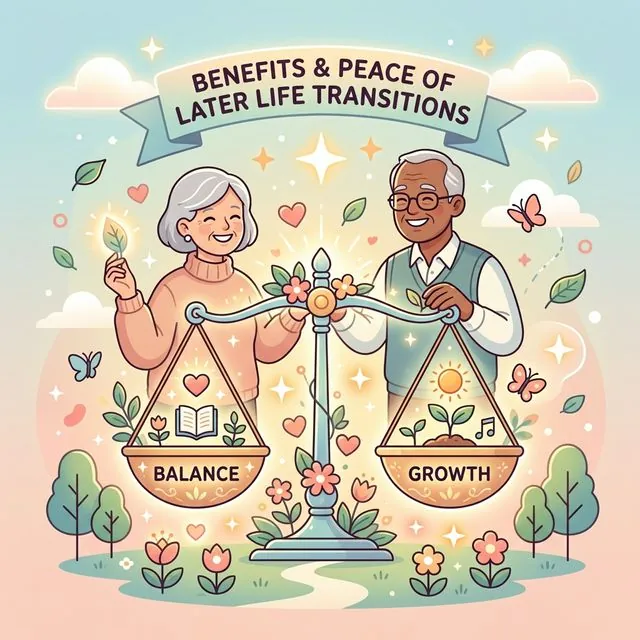
The Advantages of Transitioning Later
- 💰 Financial stability: More resources to support the costs of transition.
- 🧠 Self-knowledge: A stronger, more settled sense of who you are.
- 🤝 Less peer pressure: Adult social circles are often more accepting than school environments.
- 👨👩👧 Family is established: If you have children, family planning is usually complete.
"I wish I'd transitioned years ago." — What the great majority of late-transitioning adults say. A peer-reviewed study found transitioning later in life to be transformative and life-affirming for trans women aged 50+. (PubMed Central, 2024)
💬 6. Coming Out to Family, Friends & Coworkers
Coming out is not one big moment — it is an ongoing process across different parts of your life. You decide who to tell, when, and how. You are never obligated to come out to anyone before you are ready.

Coming Out to Family
Family support has the strongest impact on a trans person's mental health — stronger than friends or community. A JAMA-published study found that trans youth with supportive families show no significant increase in suicide risk after gender identity milestones.
- Start with the safest person. Tell the family member most likely to be supportive first. Their reaction will give you confidence for the next conversation.
- Choose your method. In person, a letter, or a message — all are valid. A written message lets the other person process privately before responding.
- Share a resource. Sites like PFLAG offer simple guides for families. Sharing one can answer questions they don't know how to ask.
- Give them time. Some people need time to adjust. That is normal. Initial reactions do not always reflect where someone will end up.
- Have a safety plan. Know what you will do if the response is rejection. Have a safe place or person you can call.
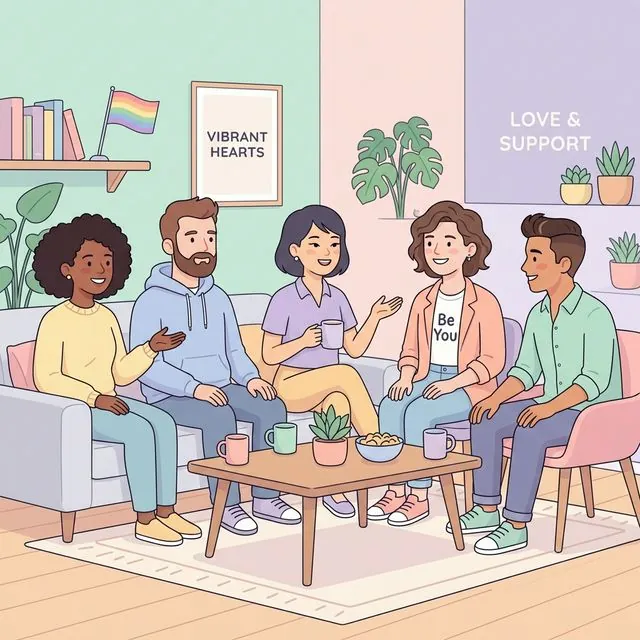
Coming Out to Friends
- • Tell close friends individually before wider groups
- • Be clear about what you need: your name, your pronouns, and confidentiality
- • Some friends need a little time to adjust — that is usually not malicious
- • Friends who cannot respect your identity after a reasonable period may not be the right people to invest in
Research shows that having a strong, positive sense of your transgender identity is the biggest predictor of good outcomes when coming out to friends. — Journal of Homosexuality, 2022
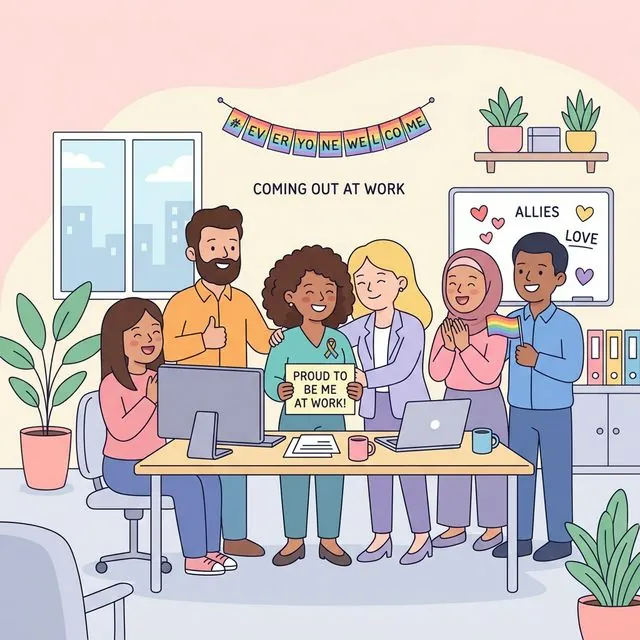
Coming Out at Work
The workplace needs a bit more planning. Many countries — including those across the EU, UK, Canada, Australia, and New Zealand — have employment protections covering gender identity. Check what applies where you live.
- Check your company's policies for non-discrimination statements and any transition guidelines.
- Talk to HR privately first. Work together on a communication plan, document updates, and practical logistics like bathroom access.
- Keep your message simple: "I am transgender and will be going by [name] and [pronouns] from [date] forward" is enough.
- Document problems. If discrimination happens, write it down with dates and report it to HR. If that fails, contact a local LGBTQ+ legal organization.
❓ 7. Frequently Asked Questions
Do I have to medically transition to be transgender?
How long does HRT take to show results?
Can I start HRT without a doctor?
What is informed consent for HRT?
Is gender-affirming surgery reversible?
Can I change my gender marker without surgery?
Is it too late to transition if I'm over 50 or 60?
What if my family rejects me after I come out?
What should I do if I am misgendered at work?
What is the difference between gender dysphoria and being transgender?
🤝 8. Resources & Support
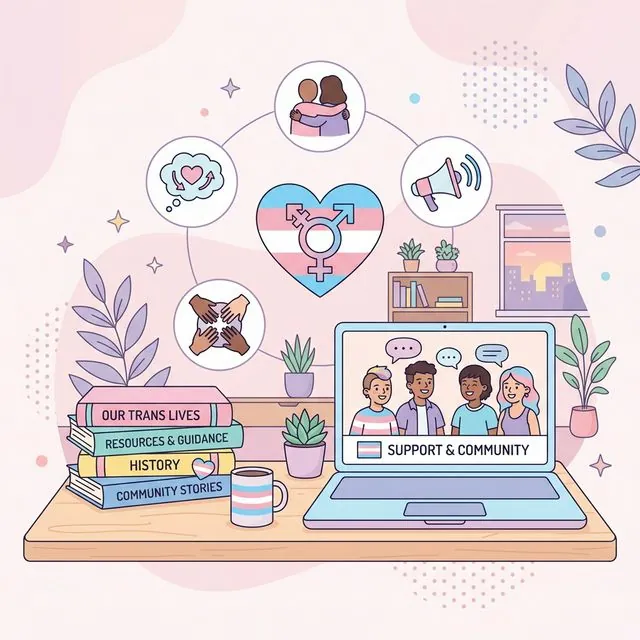
- 🌐 ILGA World — Global legal rights by country
- 🌐 Transgender Europe (TGEU) — Trans rights across Europe and Central Asia
- 🌐 WPATH — International standards for transgender healthcare
- 🌐 UCSF Transgender Care — Clinical health guides and provider resources
- 🌐 PFLAG — Resources for trans people and their families
- 🌐 Trevor Project — Crisis support for LGBTQ+ youth
- 🌐 Trans Lifeline — Peer support staffed by trans people
- 🌐 TransNote.me — Practical guides for the trans and LGBTQ+ community
📚 Sources
- World Professional Association for Transgender Health. (2022). Standards of Care, Version 8. wpath.org
- GLAAD. (2025). Transgender People. glaad.org
- Medical News Today. (Sept 2025). Gender affirming hormone therapy: Effects and timeline. medicalnewstoday.com
- UCSF Center of Excellence for Transgender Health. Feminizing Hormone Therapy Guidelines. transcare.ucsf.edu
- ILGA World. Trans Legal Mapping Report. ilga.org
- Transgender Europe (TGEU). Legal Gender Recognition. tgeu.org
- The Trevor Project. Research Brief: Pronouns and Mental Health. thetrevorproject.org
- Nagata, J.M. et al. (2024). Mental Health of Transgender Youth by Level of Family Support. JAMA. pmc.ncbi.nlm.nih.gov/articles/PMC11250281
- Monteiro, F. et al. (2024). Transitioning at 50+: Life Trajectories of Transgender Women. PubMed Central. pmc.ncbi.nlm.nih.gov/articles/PMC11027450
- Taube, L.N., & Mussap, A.J. (2022). Coming Out in the Trans and Gender Diverse Context. Journal of Homosexuality. doi.org/10.1080/00918369.2022.2106465
- Mental Health America. Transgender Communities and Mental Health. mhanational.org
- IntraSpectrum Chicago. Coming Out as Transgender Later in Life. intraspectrum-chicago.com
This article is for informational purposes only and does not constitute medical or legal advice. Always consult qualified professionals for guidance specific to your situation. Laws and medical guidelines change — always verify current information with authoritative sources.
© 2026 TransNote.me — A judgment-free guide for the transgender and LGBTQ+ community.