
Creating a feminine silhouette when you have a more rectangular or "inverted triangle" frame is a skill that combines the right tools with an understanding of body proportions. For many trans women and crossdressers, shapewear and padding aren't just about fashion—they are about feeling comfortable and confident in your own skin. This guide breaks down the safest and most effective ways to build curves while keeping your body healthy.
📌 1. Understanding Your Foundation: The Goals
The goal of feminine body sculpting is usually to create an hourglass or pear shape. This involves three main steps:
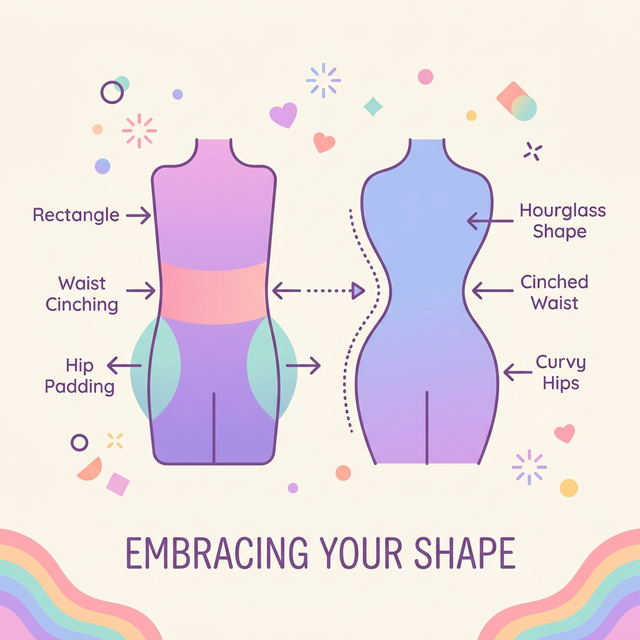
- Defining the waist: Making the midsection look narrower.
- Adding volume to hips and glutes: Balancing out broader shoulders.
- Smoothing the silhouette: Creating seamless transitions between pads and your natural body.
👙 2. Types of Shapewear
Choosing the right type of foundation garment is critical for a smooth, snatched look.
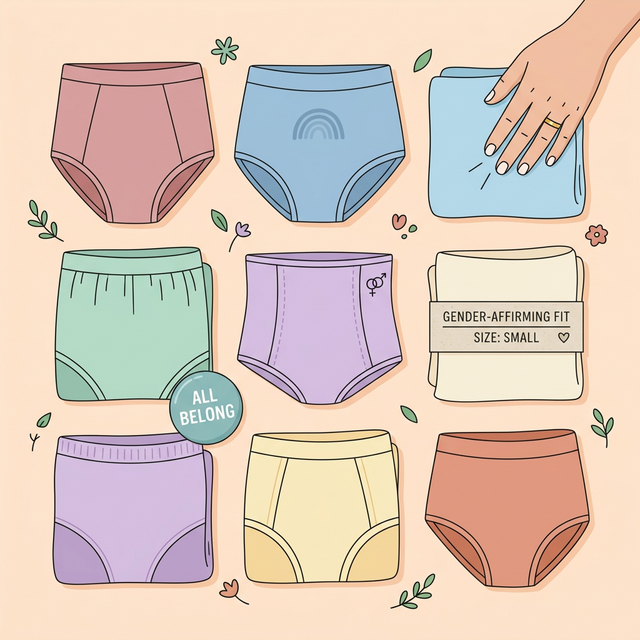
Waist Cinchers and Corsets
These are used to pull in the stomach and create a "pinch" at the waist.
- Waist Cinchers (Latex/Elastic): Good for everyday wear and a moderate pull. They are breathable and easier to hide under clothes.
- Steel-Boned Corsets: These provide the most dramatic results but require careful "seasoning" (breaking them in). They offer a very structured, vintage hourglass look.
Control Panties and Girdles
These help flatten the lower abdomen and provide a base for padding.
- High-Waist Briefs: These reach up to the ribs, preventing the "muffin top" effect and ensuring a smooth line from the chest to the hips.
Tucking Underwear (Gaffs)
Specifically designed for MTF individuals, these help create a smooth, flat front. They are often made of reinforced material to hold everything securely in place without the need for painful taping.
🍑 3. Padding: Creating the Curves
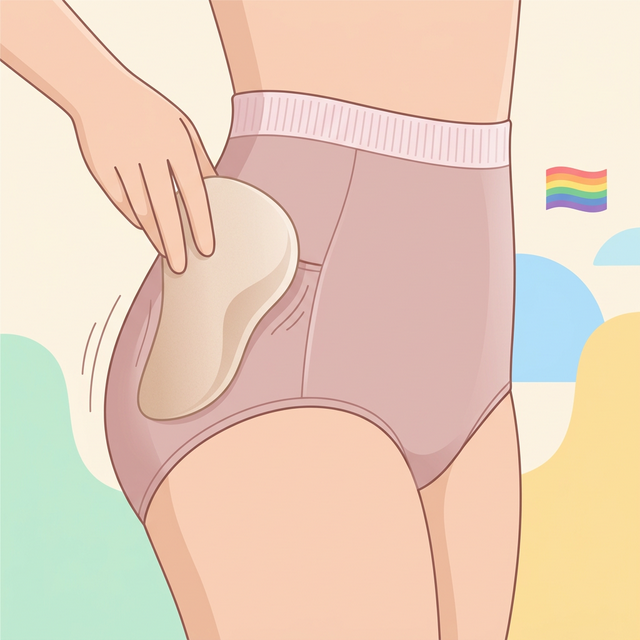
For those with a narrower pelvis, padding is the "secret sauce."
Hip & Butt Pads
- Foam Pads: Lightweight and affordable. You can often buy them pre-shaped or cut them yourself from upholstery foam for a custom fit.
- Silicone Pads: These look and feel much more like real flesh and have a natural "jiggle." They are heavier but stay in place better due to their weight.
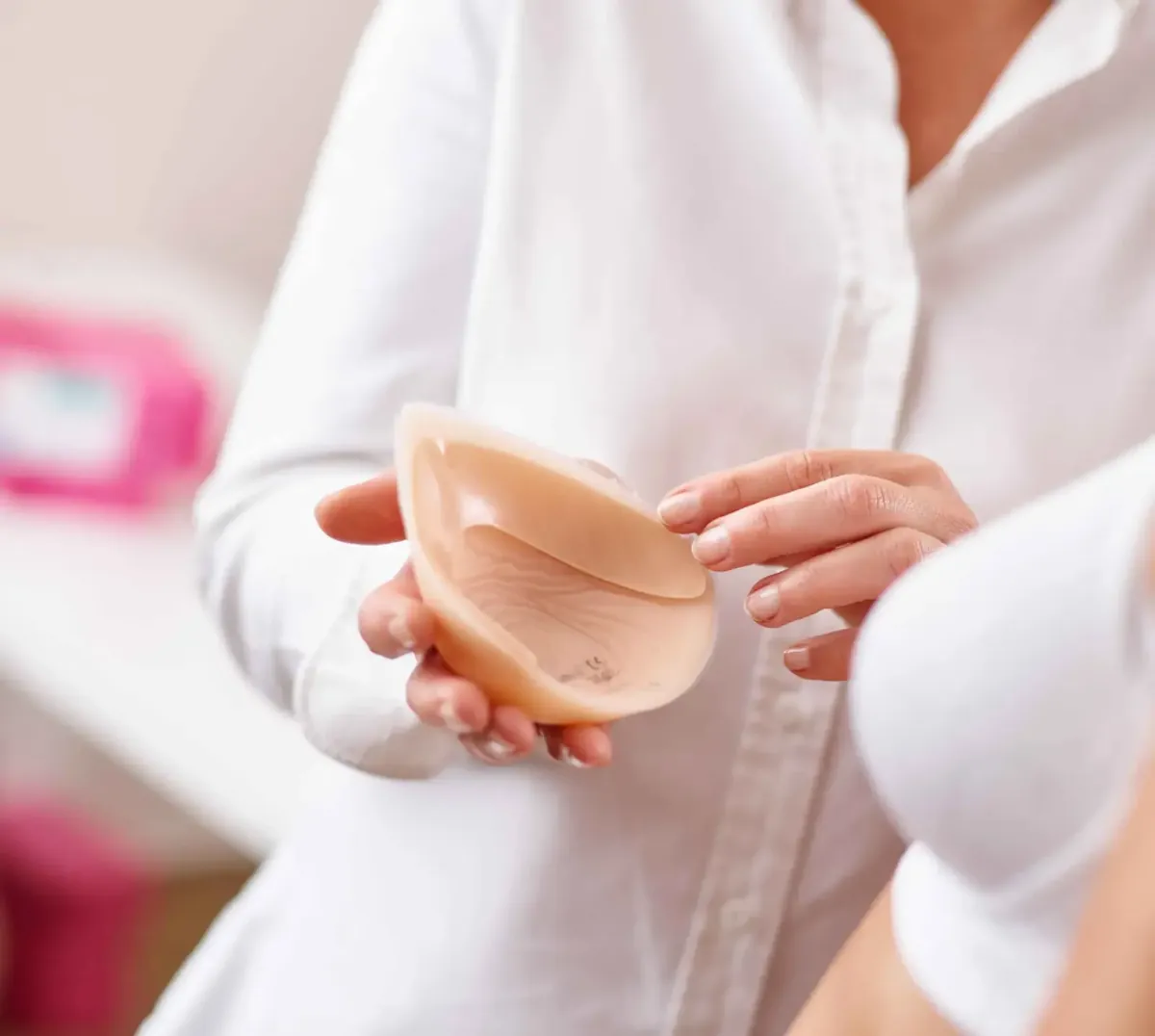
Chest Forms (Breast Forms)
- Pocket Bras: These have built-in slots to hold silicone breast forms securely.
- Adhesive Forms: These stick directly to the skin, allowing you to wear low-cut or backless tops.
🧅 4. How to Layer for Realism
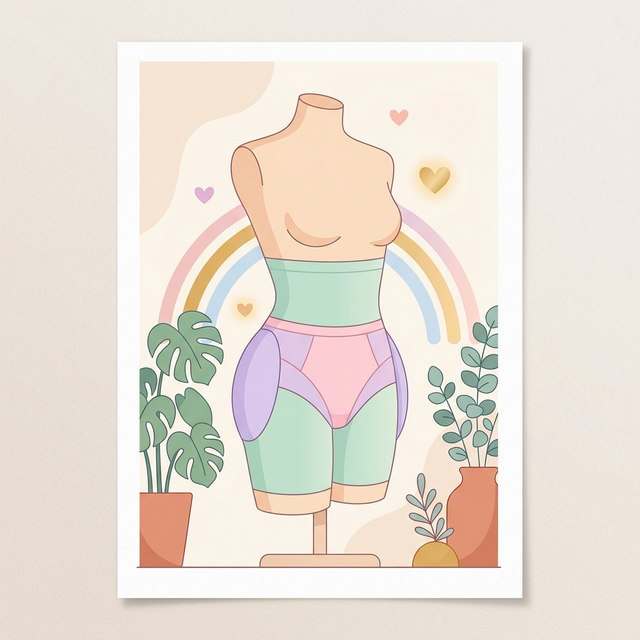
To make padding look natural, avoid wearing just one layer. Follow this "sandwich" method:
- Layer 1 (Skin): Your tucking gaff or tight briefs.
- Layer 2 (The Pads): Place your hip and butt pads.
- Layer 3 (The Smoother): Wear a pair of high-compression tights or "Spanx-style" shorts over the pads. This blends the edges of the pads so they don't look like lumps under your clothes.
⚠️ 5. Safety First: The Golden Rules
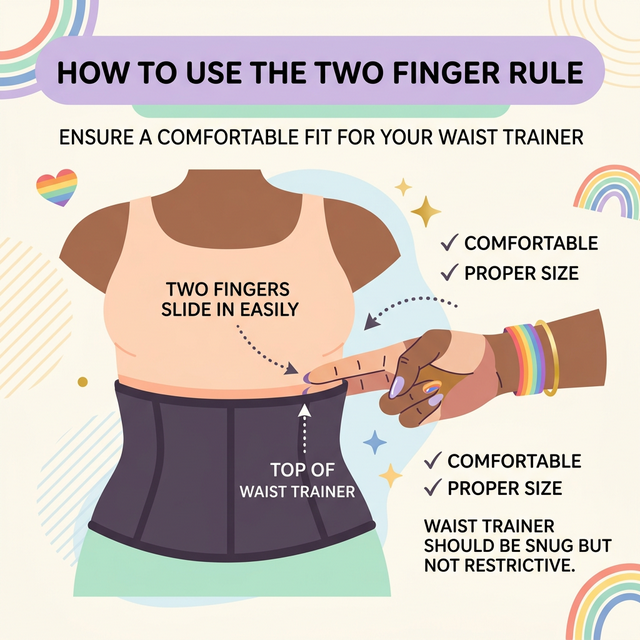
The "Two Finger" Rule
For any waist cincher or corset, you should always be able to slide two fingers comfortably under the garment. If you can't, it’s too tight.
Listen to Your Body
If you experience any of the following, remove your shapewear immediately:
- Shortness of breath or shallow breathing.
- Numbness or tingling in your legs (this indicates nerve compression).
- Sharp pain in your ribs or stomach.
- Acid reflux or severe indigestion.
Skin Care
Wearing tight synthetic materials for long periods can cause skin irritation or heat rashes. Always wash your shapewear regularly and give your skin "breathing days" where you wear loose-fitting clothing.
🛍️ 6. Buying Tips & Conclusion
- Size Matters: Never "size down" to get a tighter fit. Shapewear is already designed to be tight; buying a size too small will only cause bulging at the ends and physical discomfort.
- Check the Material: Look for cotton linings for breathability and high-denier spandex for durability.
Shapewear should be a tool to enhance your confidence, not a device that causes you pain. Be patient, find your perfect layers, and embrace your curves safely!