Being transgender (or "trans") means a person's internal sense of their gender — whether they are a man, woman, or another gender — does not match the sex they were assigned at birth. Transgender identity is recognized by the World Health Organization as a normal part of human diversity and is not a mental illness (WHO, 2019). This comprehensive guide covers what being trans means, different types of transgender identities, transitioning processes, and how to be a supportive ally.
What is Transgender?
Being transgender (or "trans") means your internal sense of being a man, woman, or another gender does not match the sex the doctor assigned to you when you were born.
| Term | Definition |
|---|---|
| Cisgender | When your gender identity matches the sex you were assigned at birth. |
| Transgender | When your gender identity differs from the sex you were assigned at birth. |
| Assigned Sex | The label (Male or Female) given at birth based on physical traits. |

Gender Identity vs. Gender Expression
It is important to understand that who you are is different from how you look.
- Gender Identity: This is your internal "map" of who you are. It is private and only you can feel it.
- Gender Expression: This is how you show your gender to the world through your clothes, hairstyle, name, or behavior.
The Difference: A person’s identity might be "woman," but their expression might be "masculine." One does not always dictate the other.

Who Can Be Transgender?
Anyone can be transgender. It is a natural part of human diversity found across all ages, races, and cultures.
- Children: Many children begin to express their true gender as soon as they can communicate.
- Adults: Some people wait until later in life to transition because they didn't have the words for their feelings or didn't feel safe to come out.
- History: Trans people are not "new." Cultures like the Two-Spirit (North America) and Hijra (South Asia) have recognized more than two genders for thousands of years.

Is it Normal or a Mental Illness?
Being transgender is normal and healthy.
In the past, people incorrectly viewed it as a mental illness. However, in 2019, the World Health Organization (WHO) officially removed it from the list of mental disorders.
- Gender Incongruence: This is the medical term for the "mismatch" between identity and birth sex.
- Gender Dysphoria: This is the distress or sadness caused by that mismatch.
The Fact: Being trans isn't the problem; the stress of not being able to live as yourself is what causes difficulty.
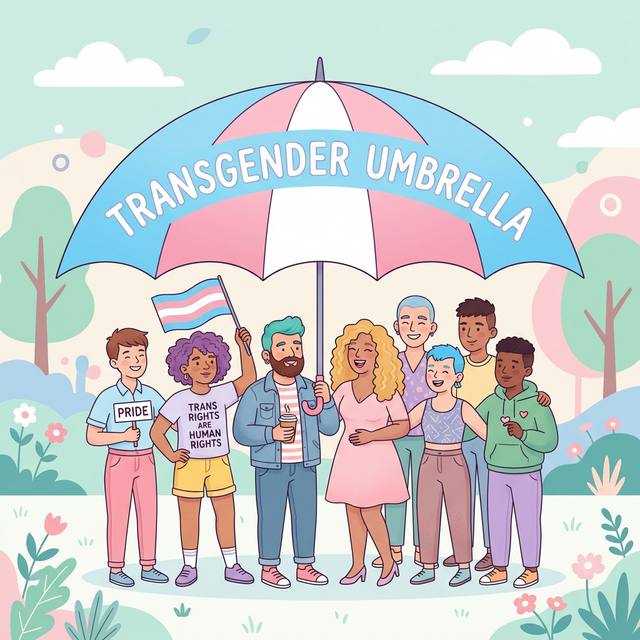
Transgender Types & The Umbrella
"Transgender" is an umbrella term that covers many different identities:
- Transgender Woman: Someone assigned male at birth who is a woman.
- Transgender Man: Someone assigned female at birth who is a man.
- Non-Binary: People whose gender is not just "man" or "woman." They might feel like a mix of both or neither.
- Genderfluid: People whose gender identity changes or shifts over time.
- Agender: People who do not feel they have a gender at all.

How to Know if I Am Transgender
There is no "test" for being trans. It is about your inner feelings. Many people look for:
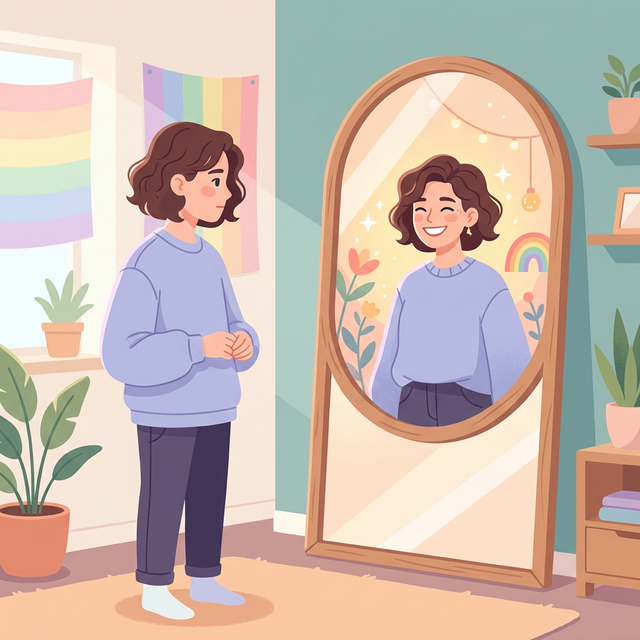
- Gender Euphoria: A feeling of intense joy or "rightness" when people use your correct name or when you dress in a way that matches your identity.
- Social Comfort: Feeling more relaxed and "at home" in your skin when you are seen as a different gender than the one you were assigned at birth.

How to Know if Someone is Transgender
You cannot tell if someone is trans just by looking at them.
Many trans people look exactly like their cisgender peers. This is often called "passing," though many in the community prefer the term "being seen correctly."
What is Transitioning?
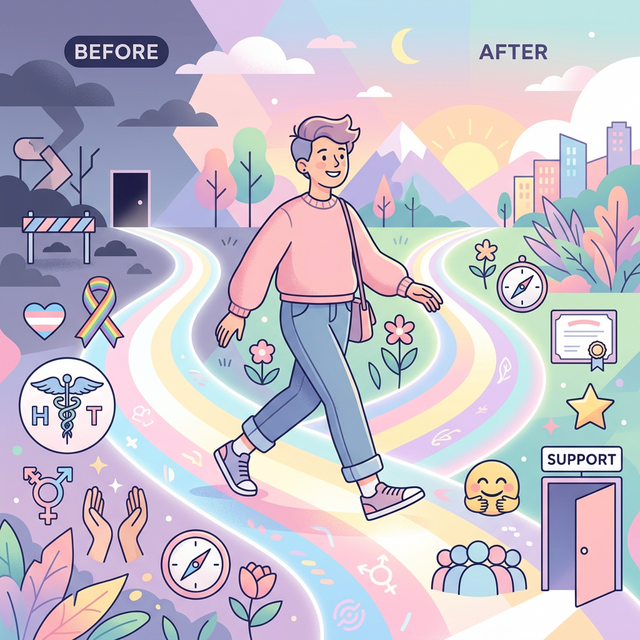
Transitioning is the journey of aligning your life with your gender identity. It is different for everyone:
- Social Transition: Telling friends, changing your name, and using different pronouns (like they/them).
- Legal Transition: Changing your name and gender marker on documents like your ID or birth certificate.
- Medical Transition: Using hormone therapy or surgery to change your physical body. Note: Not all trans people want or need medical steps to be valid.
Privacy & Allyship
In 2026, being an ally means respecting a person's boundaries.
- Pronouns: Using the correct pronouns (he, she, they, etc.) is the most basic form of respect.
- Deadnaming: Never use the name a trans person used before they transitioned. This is called "deadnaming" and can be very hurtful.
- Privacy: Don't ask about someone’s "old name" or what surgeries they have had. Treat their body with the same privacy you would treat anyone else's.
Summary for Allies
- Listen: Believe trans people when they tell you who they are.
- Practice: If you make a mistake with a pronoun, apologize quickly, fix it, and move on.
- Support: Stand up for trans people's rights to safety and healthcare.
Frequently Asked Questions
Is being transgender a mental illness?
No. The World Health Organization removed gender incongruence from its list of mental disorders in 2019. Being transgender is a normal part of human diversity. Some trans people experience gender dysphoria (distress from the mismatch between gender identity and assigned sex), which is treatable, but being trans itself is not an illness.
At what age can someone know they are transgender?
People can recognize their gender identity at any age. Some know from childhood, others in adolescence, and some don’t recognize or act on it until adulthood or later. There’s no “right age” to come out or transition. Everyone’s timeline is different, and that’s completely valid.
What is the difference between transgender and non-binary?
Transgender is an umbrella term for anyone whose gender identity differs from their assigned sex at birth. Non-binary is a specific identity (falling under the transgender umbrella) where someone’s gender identity is not exclusively male or female—it might be both, neither, or something else entirely. So all non-binary people are transgender, but not all transgender people are non-binary.
Does every transgender person have surgery?
No. Transition looks different for everyone. Some trans people pursue medical transition (hormone therapy, surgeries), others pursue social transition (changing name, pronouns, appearance), and some do both or neither. Surgery is not required to be transgender, and many trans people live fulfilling lives without it.
What are the correct pronouns to use for a transgender person?
The most respectful approach: ask if you’re unsure. Most trans people are happy to share their pronouns. Common pronouns include she/her, he/him, they/them, and neopronouns. If you make a mistake, apologize briefly, use the correct pronoun going forward, and don’t make a big deal out of it. What matters most is that you listen and show respect.