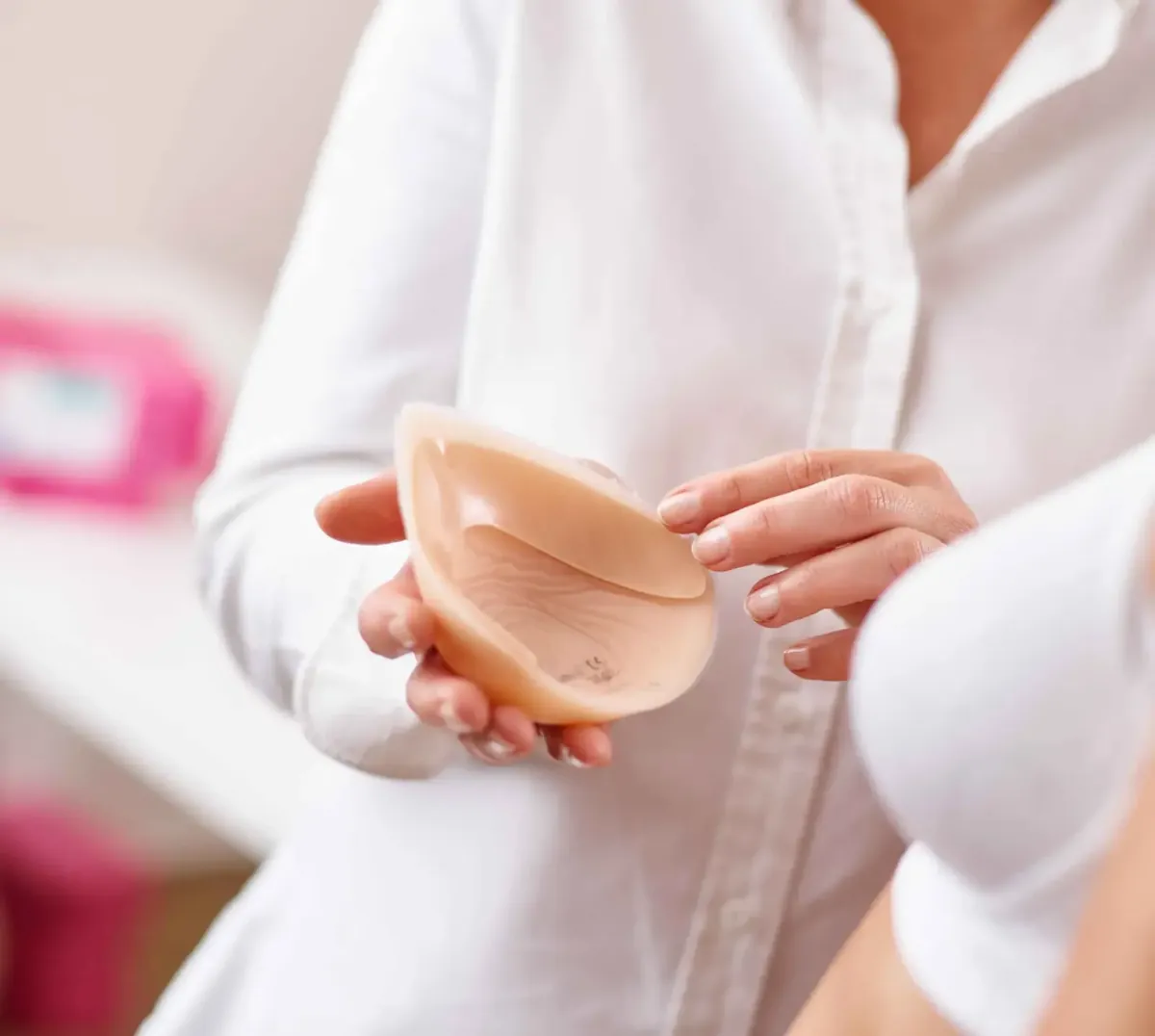
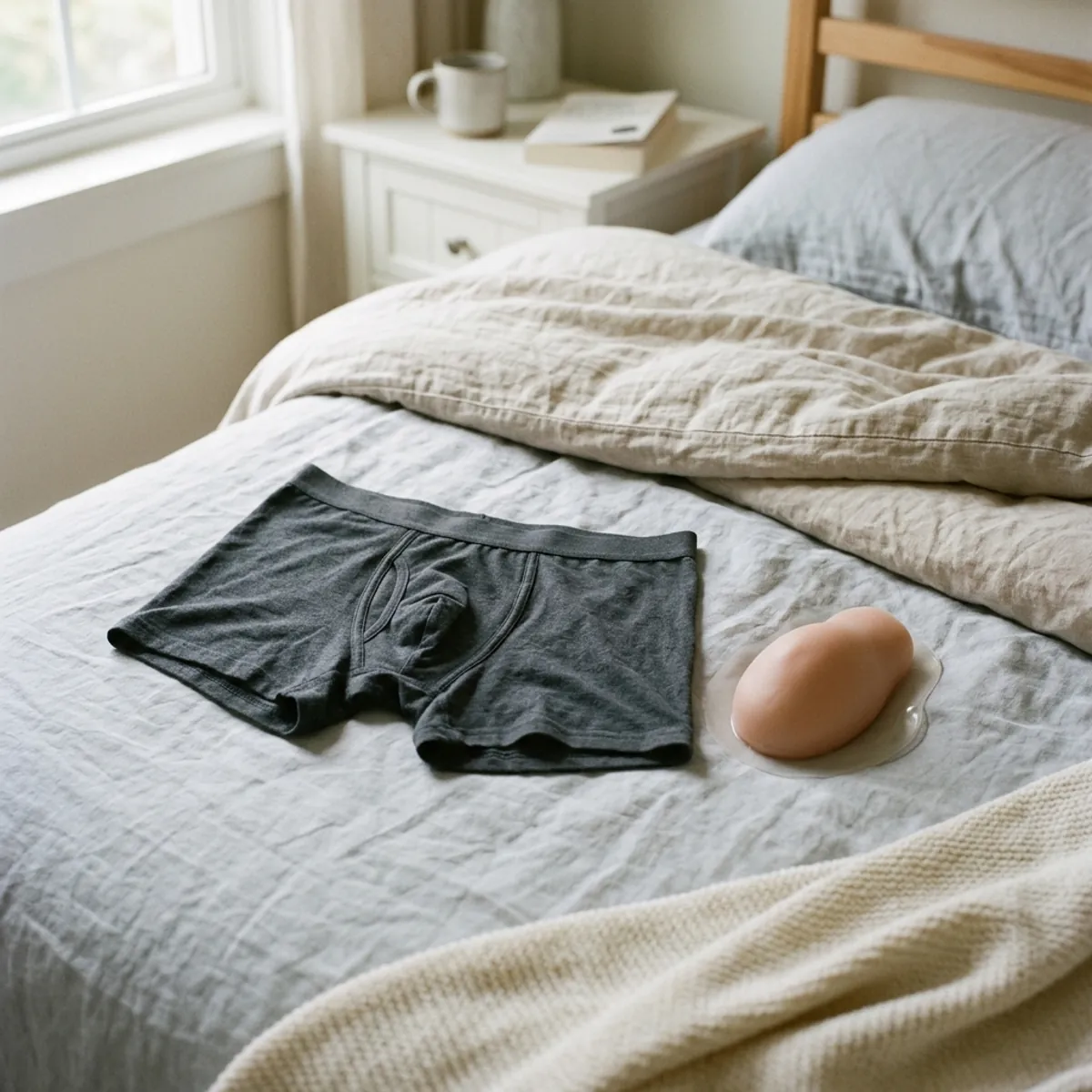
If you are just starting to explore FTM (female-to-male) or transmasculine identity, you might have heard the word "packing." Simply put, packing is the act of creating a male-looking bulge in your pants. It can be a wonderful way to relieve dysphoria, feel more comfortable in your body, and feel confident in your clothes. But how do you start? What do you use, what size is right, and how do you keep it clean? Don't worry — we've broken it all down into simple, easy-to-understand steps, from free DIY options to daily care.
Key fact: Packing is recognized as a legitimate, non-medical form of gender-affirming care — not just a cosmetic choice. Clinical guidelines describe it simply as wearing a prosthetic in your underwear to create a male-looking shape while helping ease dysphoria. — UCSF Transgender Care, 2016
Types of Packers: Finding What Fits You
Whether you start with a rolled-up pair of socks (the DIY method) or want to buy a dedicated prosthetic, there are several main categories of packers to choose from:
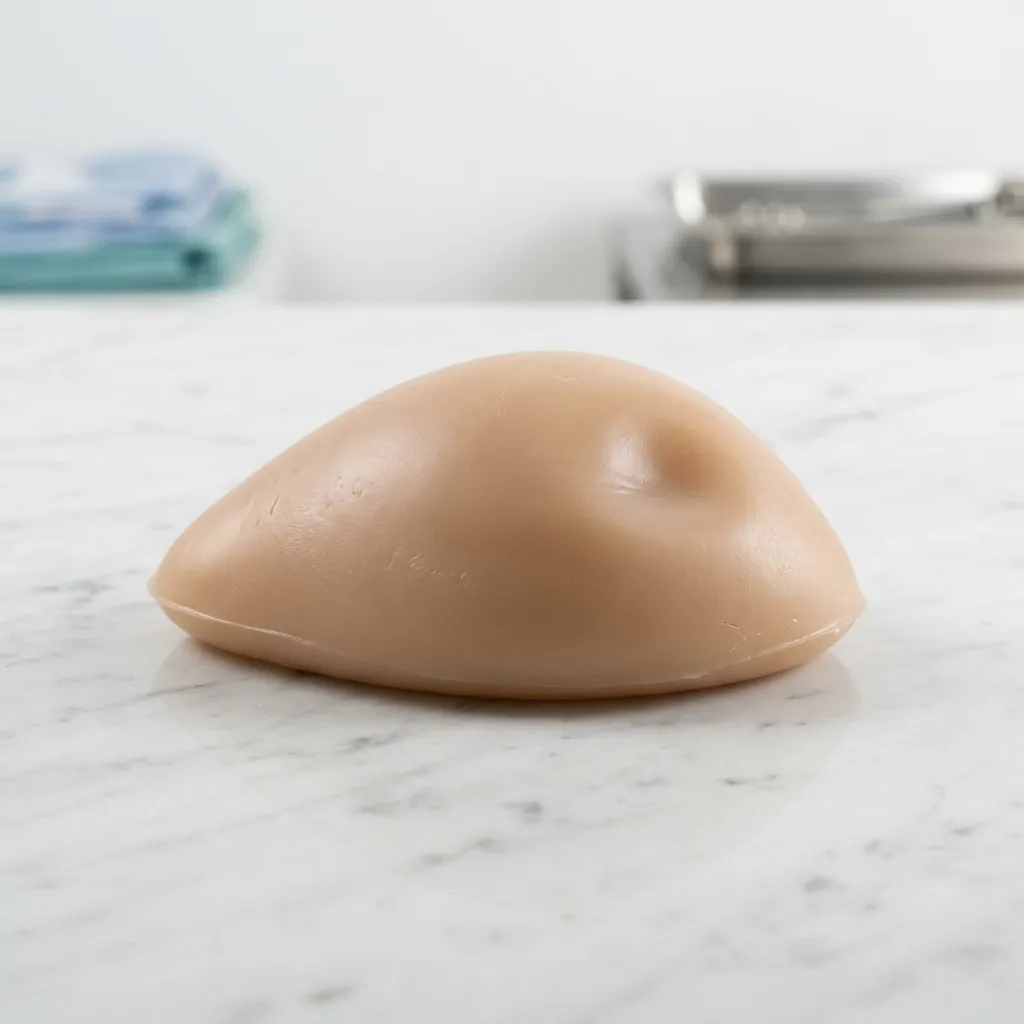
1. Soft Packers
These are squishy, flexible items made from medical-grade silicone or cloth. They simulate a flaccid appearance, are comfortable for daily wear, and look the most natural under clothes.
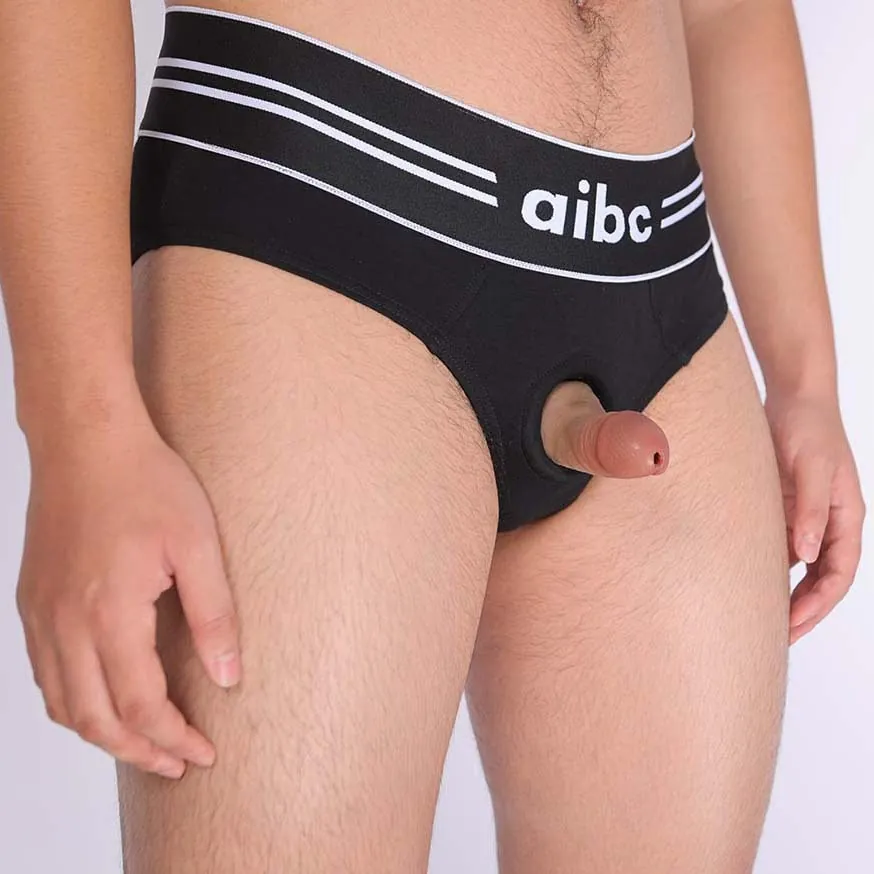
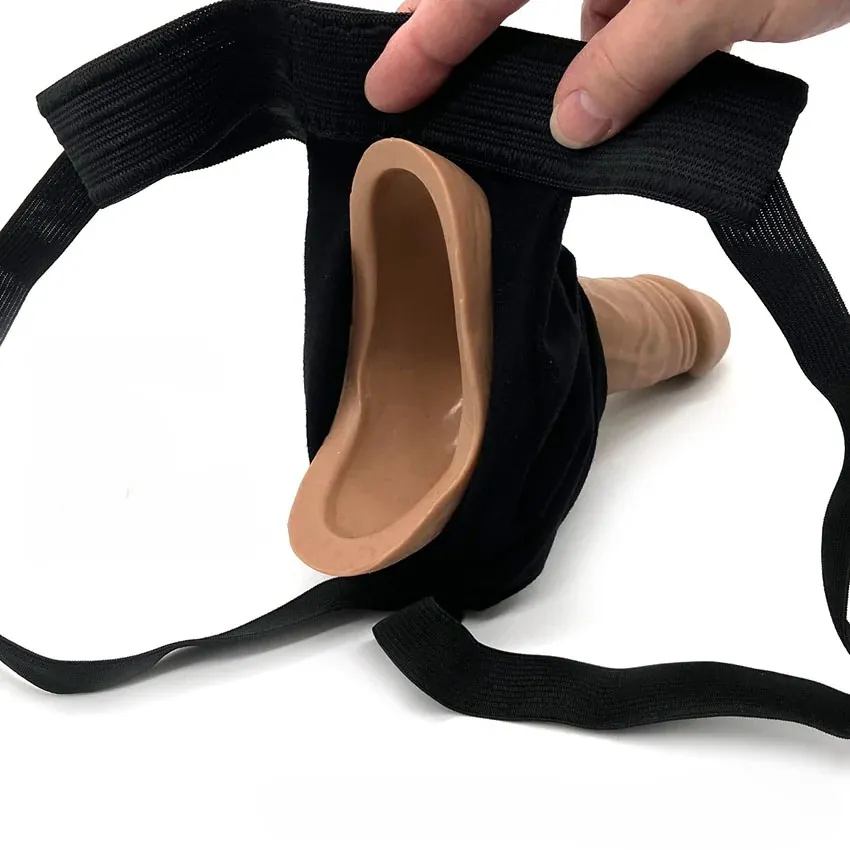
2. STPs (Stand-To-Pee)
These are special prosthetics that feature a hollow cup or funnel on the back. They allow you to stand up while urinating, which is great for public restrooms, though they take practice to use correctly without spilling. Most people start by practicing at home in the shower a few times before trying it in public.
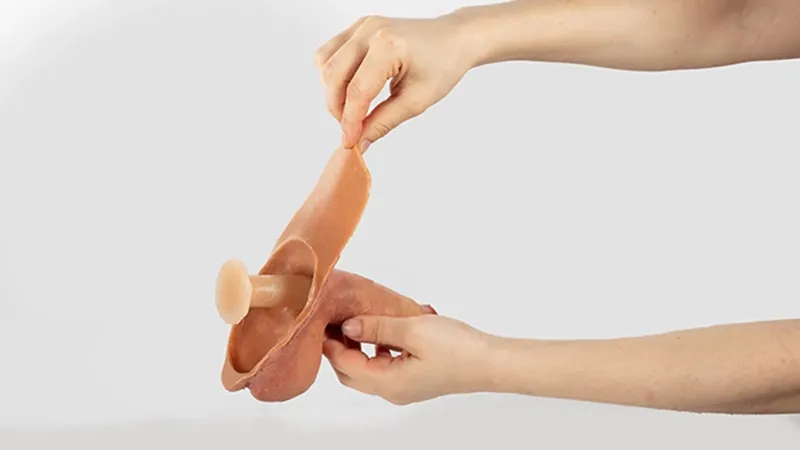
3. Pack and Play (2-in-1 or 3-in-1)
These are versatile prosthetics designed for daily wear but include a firm core or removable rod so they can also be used for sexual activities.
Here's a quick side-by-side comparison to help you choose:
| Type | Material | Cost | Best For |
|---|---|---|---|
| DIY Sock | Rolled sock or soft fabric | Free | Trying packing before spending money |
| Soft Packer | Medical-grade silicone or cloth | $ | Everyday, natural-looking wear |
| STP | Silicone with a hollow funnel | $$ | Standing to urinate in public restrooms |
| Pack-and-Play | Silicone with a firm core or rod | $$–$$$ | Daily wear plus intimate use |
⚠️ Prices vary a lot by brand, material quality, and where you live — use this as a general guide, not an exact quote.
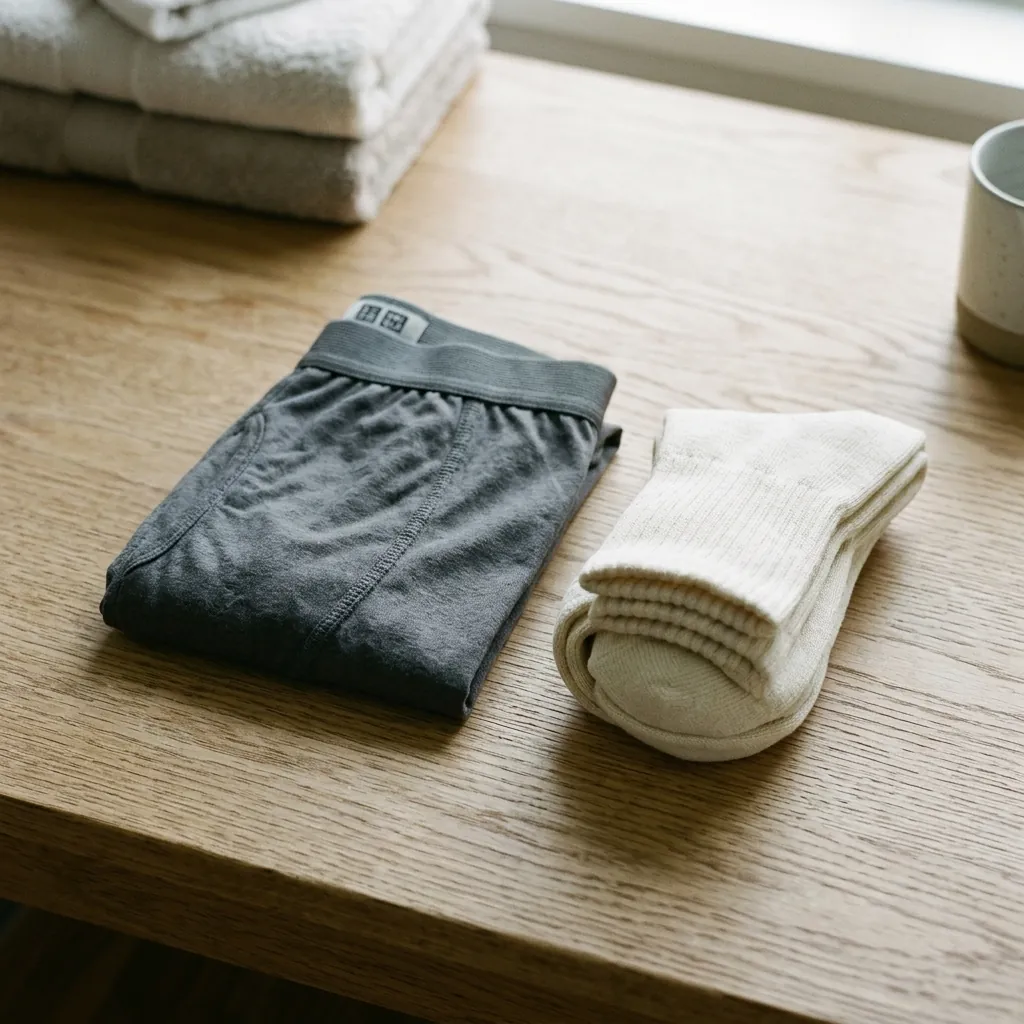
The DIY Sock Method: A Free Way to Start
You don't need to spend any money to try packing. The "sock method" is a free, private way to test whether packing feels right for you before buying anything.
- Roll or fold a clean sock: A soft, thick sock, like an ankle sock, rolled or folded into a small, smooth bundle works well. Avoid socks with rough seams or anything that could dig into your skin.
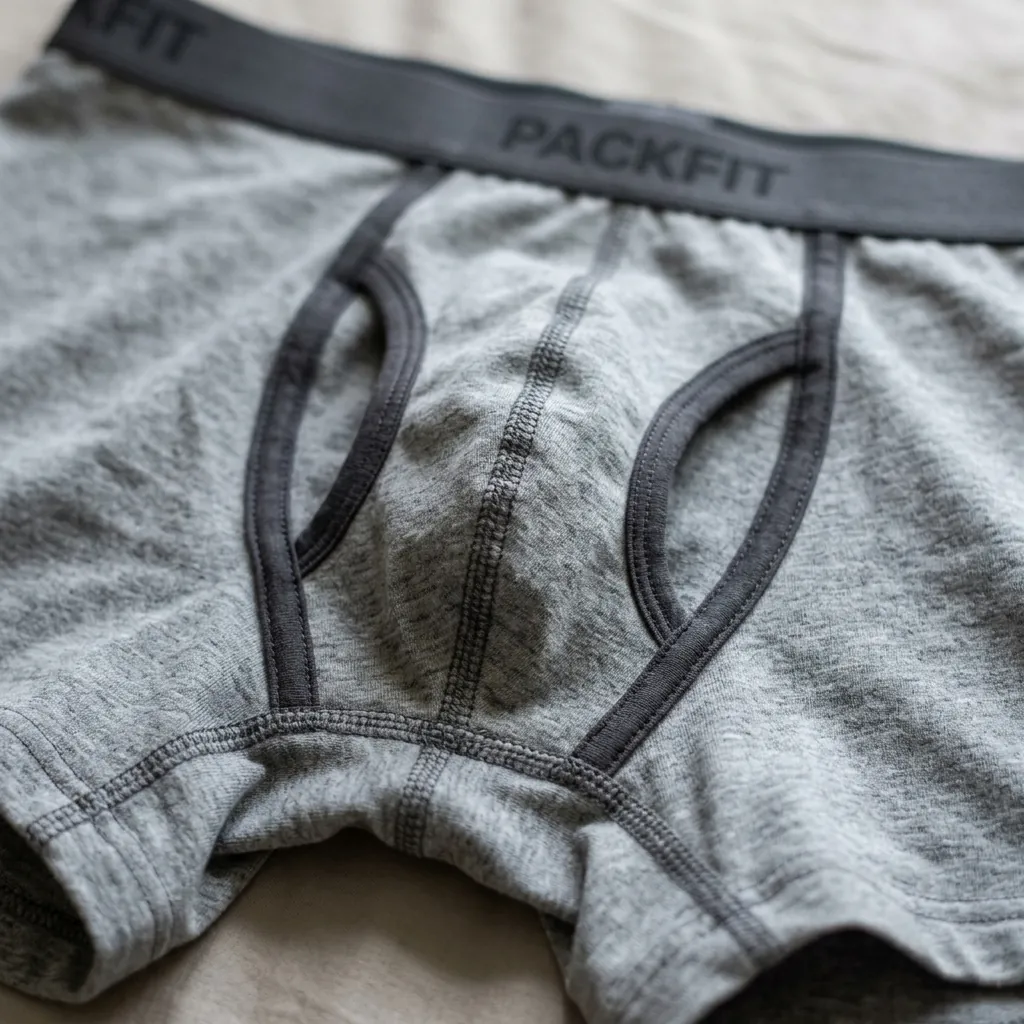
- Use a pocket: Snug briefs or boxer briefs with a front pouch will hold it in place. If your underwear doesn't have a built-in pocket, some people sew a simple fabric pouch into the front for extra security.
- Keep it small at first: A smaller bundle looks more natural and is more comfortable than something bulky. You can always adjust the size until it looks and feels right.
- Treat it like clothing: Wash the sock or fabric regularly, just like anything else that touches your skin, and replace it once it starts to lose its shape.
The sock method won't look or feel as realistic as a silicone packer, and it isn't suitable for standing to urinate — but it's a genuinely good starting point. Many people use it for weeks or months before deciding if they want something more durable.
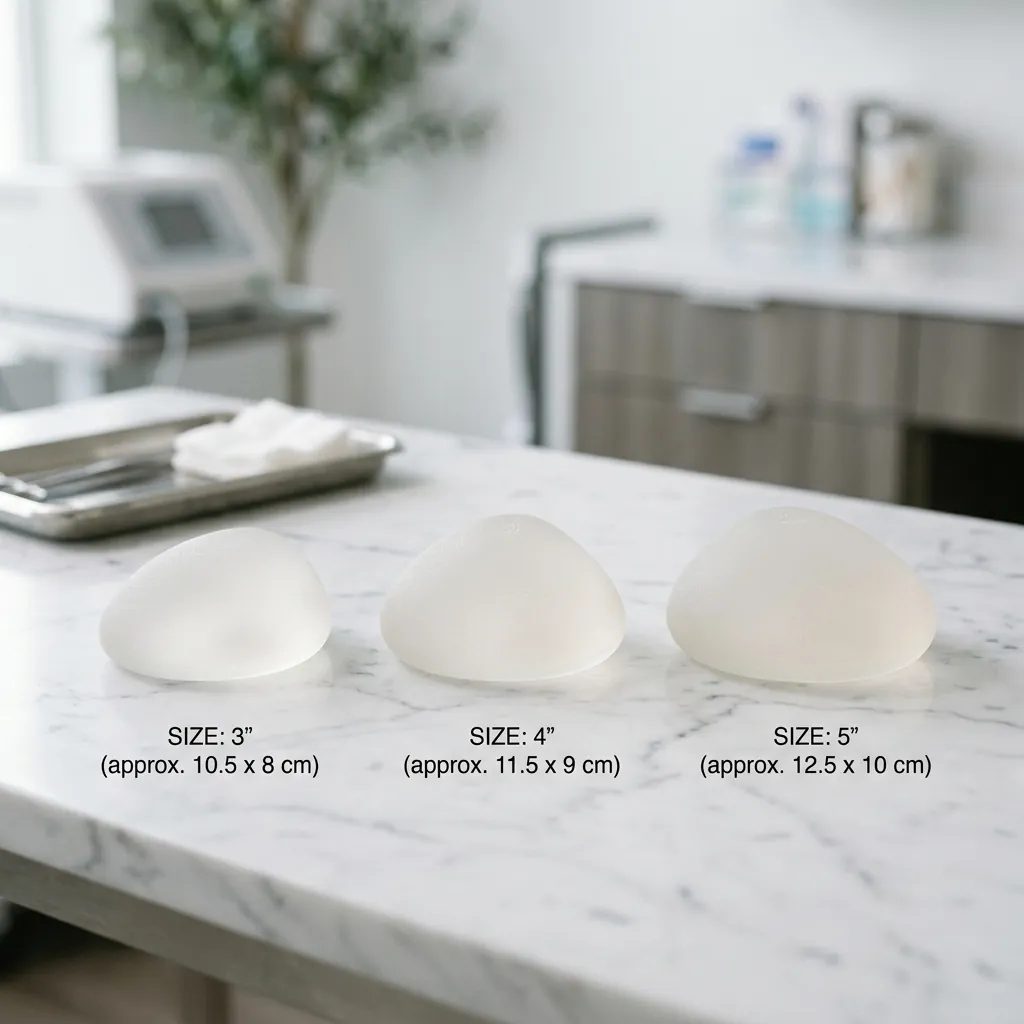
Finding the Right Size for You
One of the most common beginner mistakes is choosing a packer that's too big. A packer close to an average, realistic size will almost always look and feel more natural than a larger one.
- Start around 3–4 inches: This size range looks proportional on most body types and is the easiest to keep discreet.
- Think about your goal: For a subtle, everyday shape, smaller is usually better. For a more noticeable bulge in specific situations, you can size up.
- Check the brand's measurements: Sizing varies between brands, so check the actual length and width listed rather than relying on "small, medium, large" alone.
- You can always change later: Many people start small and size up over time as they get more comfortable with how packing looks and feels on their body.
Key fact: The average flaccid penis is about 3.5 inches (8.8 cm) long. This is why most beginners find that a 3–4 inch packer looks the most proportional under clothing. — Medical News Today, 2025
Step-by-Step: How to Wear a Packer
Wearing a packer shouldn't feel awkward. The goal is a natural look that mimics biological anatomy. Here is how to achieve the perfect placement:
- Position it against the mons: The packer should rest against your mons pubis—the fleshy, slightly bony area directly above your genitals. Positioning it too high on the stomach or too low between the legs will look unnatural and feel uncomfortable.
- Check the shaft direction: If you are using a silicone packer, the shaft should typically point down and slightly to the side, following the natural curve of the body when resting in underwear.
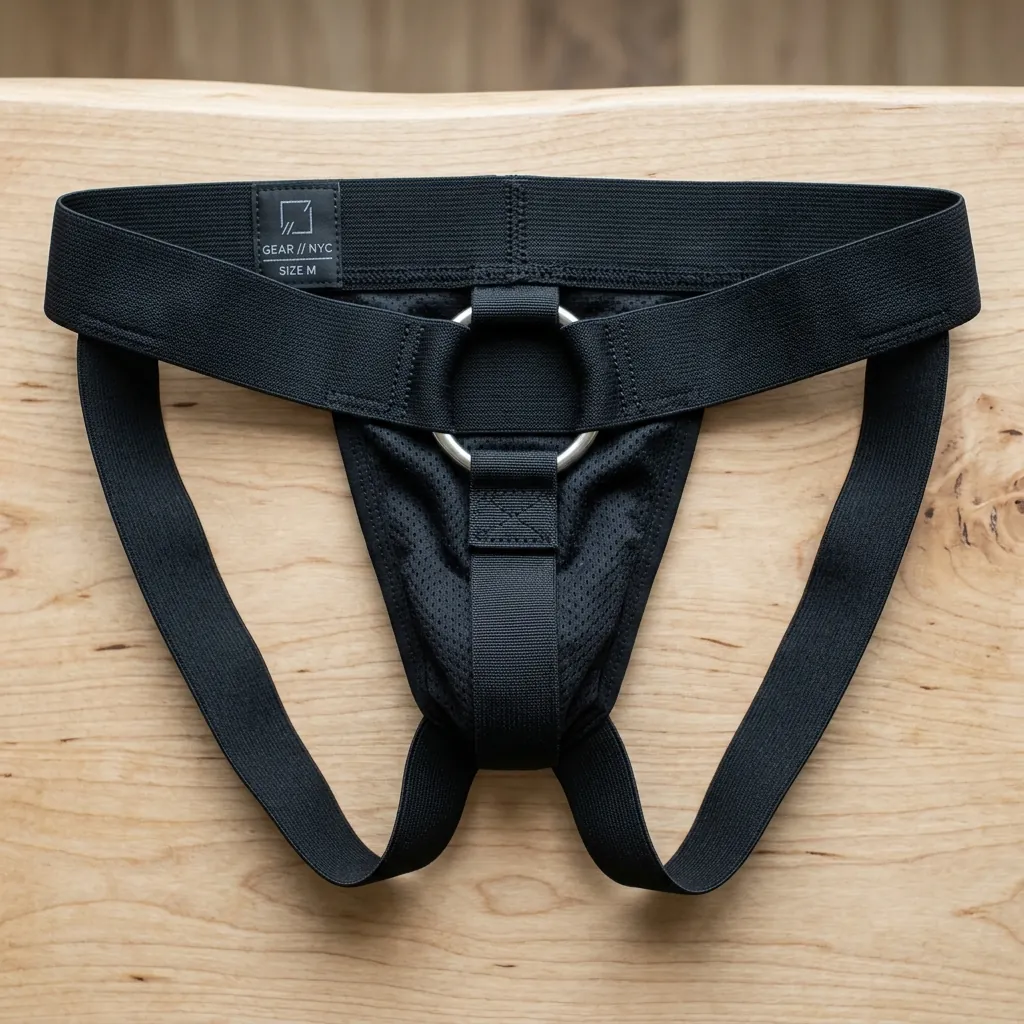
- Secure the packer: Place it into the pouch of your packing underwear or the O-ring of a harness to keep it secure against your body.
- Do the mirror test: Put on a pair of jeans or pants and look in the mirror. A natural bulge is subtle. If it looks extremely prominent or like a tent, your packer might be positioned too high, or you might be using a size that is too large for your frame.
How to Keep It Secure
A common fear is having a packer slip or fall down your leg while out in public. To prevent this, you can use specialized garments designed to hold prosthetics securely against your body:
Packing Underwear: These look like normal boxer briefs but feature a special sewn-in front pocket. You drop the packer into the pocket, and it stays secure without touching your skin directly.
Packing Harnesses: Similar to a jockstrap, these have an elastic waistband and an O-ring at the front that grips the shaft of the packer. You wear this harness underneath your regular underwear, making it an excellent choice for sports and active lifestyles.
Body Adhesive: For the ultimate realistic feel, some flat-backed silicone packers can be glued directly to the skin using specialized, medical-grade body adhesive made for skin contact. Always patch-test a small area first and wait a day to check for any reaction before applying it more widely.
Safety tip: Only use adhesive made specifically for skin contact when securing a packer. Household tape, like duct tape or parcel tape, isn't designed for skin and can cause pain, blistering, or allergic reactions. Never apply any adhesive to broken or irritated skin.
Caring for Your Packer: Cleaning & Storage
A little regular care keeps your packer clean and comfortable, helps it last longer, and lowers the chance of skin irritation.
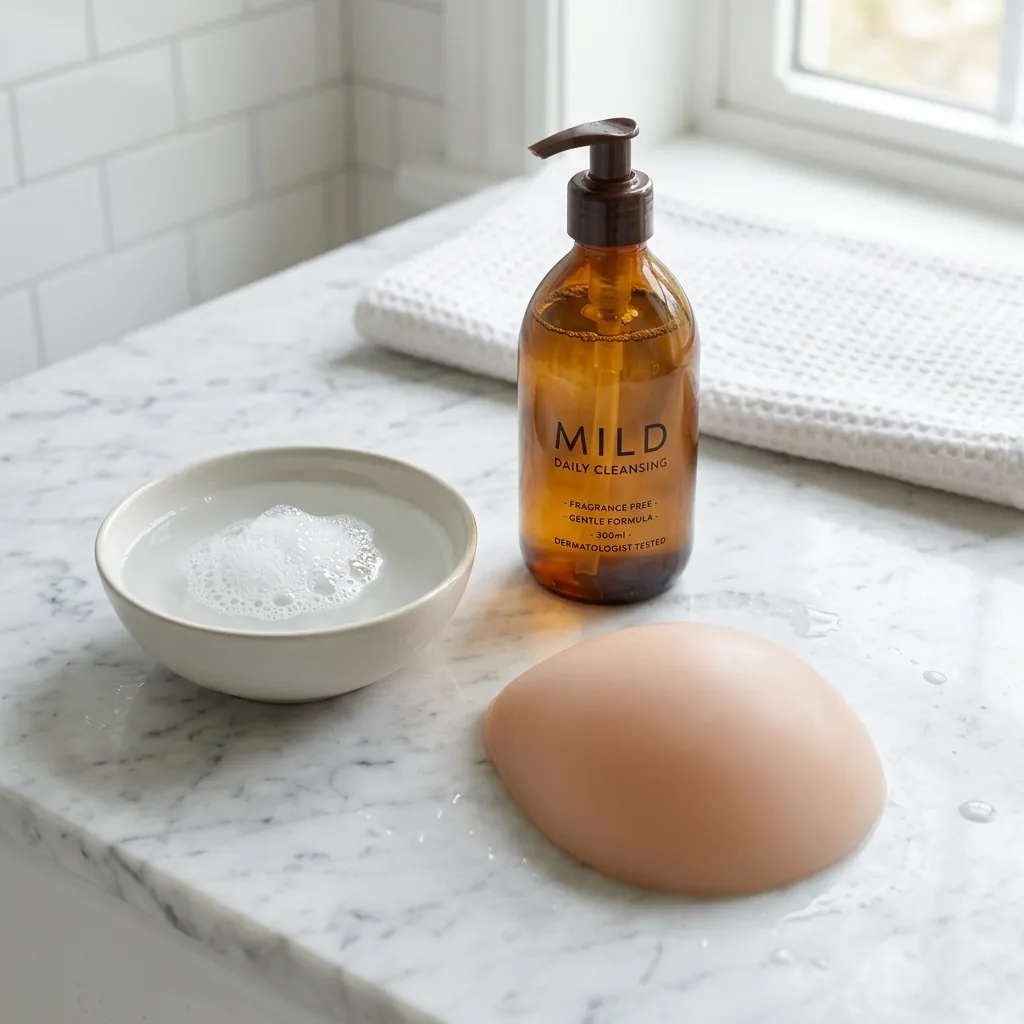
- Wash after each use: Rinse with warm water and a mild, unscented, oil-free soap. Avoid scented soaps, alcohol, or harsh chemicals, which can break down silicone over time.
- Dry completely before storing: Let it air dry fully. Storing it while damp can lead to a lingering smell or bacteria buildup.
- Dust with cornstarch: If your silicone packer starts to feel sticky, a light dusting of pure cornstarch restores a smooth, powder-dry feel.
- STPs need extra attention: Rinse the internal channel with warm water right after use, since a small amount of residue collects inside. Give it a deeper wash with soap at least once a day.
- Give your skin a break: Take your packer off overnight or during downtime when you don't need it. This lets your skin breathe, especially in hot or humid weather.
- Know when to replace it: If it tears, permanently discolors, or keeps smelling even after a thorough clean, it's time for a new one. Silicone packers usually last many months to a couple of years with good care; DIY sock packers tend to wear out within weeks to a couple of months.
Packing for Different Situations
How you pack can change depending on what you're doing that day. Here are a few common situations beginners ask about.
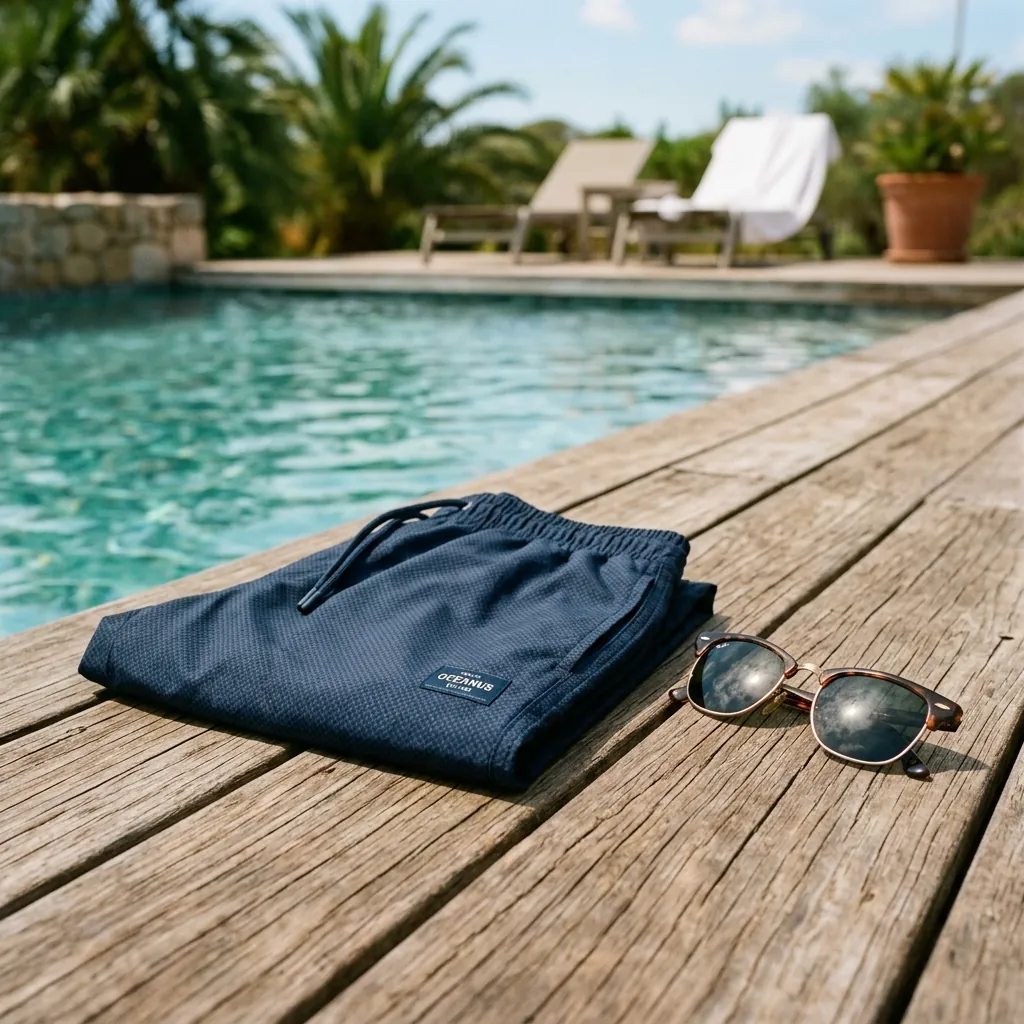
- Swimming: Wet fabric clings, so many people who don't pack daily still choose to pack at the pool or beach. Solid silicone handles water well, while foam or fabric packers can soak up water and feel heavy.
- Exercise and sports: Snug packing underwear or a harness keeps everything in place better than loose-fitting underwear during movement, so you're less likely to deal with shifting mid-activity.
- Sleeping: Most people find it more comfortable to skip packing overnight, since there's usually no need for it and it gives your skin a rest. That said, it's entirely a personal choice.
- Hot or humid weather: Breathable, cotton-based packing underwear helps reduce sweat buildup and keeps you more comfortable through the day.
Remember: Packing is completely optional. If you try it and it makes you feel hyper-aware or uncomfortable rather than relieved, you do not have to do it. You are valid with or without a packer.
❓ 8. Frequently Asked Questions
Does packing hurt or feel uncomfortable?
Can people tell that I'm wearing a packer?
Do I have to pack to be a "real" trans man or transmasculine person?
Can non-binary people pack too?
How long can I safely wear a packer in a day?
Can I get my packer wet, like in the shower or pool?
What if I can't afford a packer or can't safely order one online?
Will a packer cause problems at airport security?
Do I need a prescription or doctor's visit to get a packer?
What's the real difference between a packer and an STP?
Why does my packer keep slipping or shifting?
How do I know when it's time to replace my packer?
🤝 9. Resources & Support

- 🌐 WPATH — International standards for transgender healthcare, including guidance on non-medical practices like packing
- 🌐 UCSF Gender Affirming Health Program — Clinical guidelines covering binding, packing, and tucking
- 🌐 PFLAG — Support and resources for trans people and their families
- 🌐 Point of Pride — Free and low-cost gender-affirming garments for those who can't afford or safely access them, shipped internationally
- 🌐 Trans Lifeline — Peer support staffed by trans people
- 🌐 TransNote.me — Practical guides for the trans and LGBTQ+ community
📚 Sources
- UCSF Gender Affirming Health Program. (2016). Binding, Packing, and Tucking. transcare.ucsf.edu
- Medical News Today. (2025). What Is the Average Penis Size? medicalnewstoday.com
- PFLAG. (2024). National Glossary. pflag.org/glossary
This article is for informational purposes only and does not constitute medical or legal advice. Always consult qualified professionals for guidance specific to your situation. Laws and medical guidelines change — always verify current information with authoritative sources.
© 2026 TransNote.me — A judgment-free guide for the transgender and LGBTQ+ community.