
Intersex is an umbrella term for people born with natural variations in their sex characteristics — chromosomes, hormones, gonads, or anatomy — that don't fit the typical medical definitions of male or female. It isn't a single condition, an illness, or a choice. It's part of the ordinary range of human biology, about as common by some counts as having red hair. This guide walks through everything people ask about: the flag, the important dates, the organizations, the science, how many intersex people there are, the main variations, what childbirth and puberty can look like, the debate over surgery, and how intersex people live, identify, and love.
The short version: "Intersex" describes a body, not an identity or an orientation. Intersex people can be any gender and any sexuality. Most are healthy. The biggest controversy isn't biology at all — it's the long history of operating on intersex children before they're old enough to consent.
What "Intersex" Actually Means
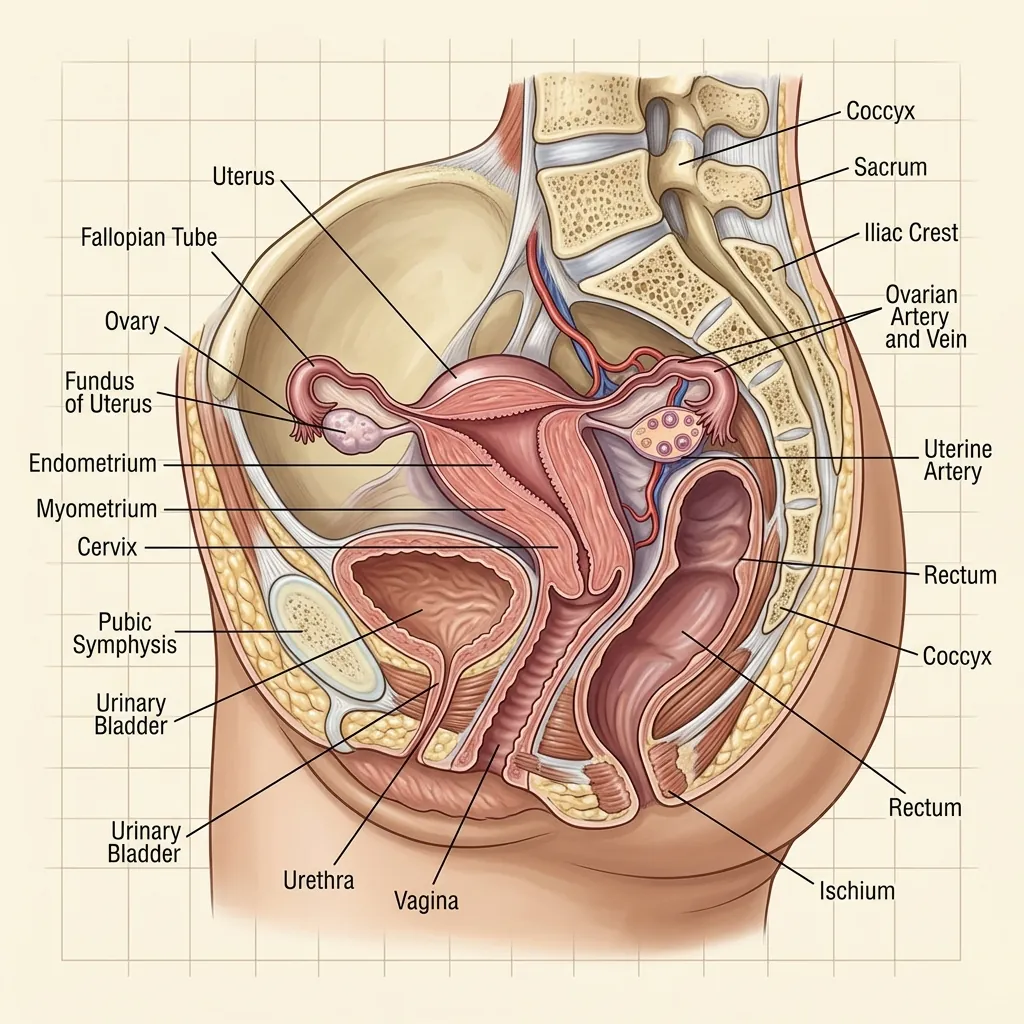
Human sex is usually described in two neat boxes: male and female. For most people those boxes work well. But sex isn't one single switch — it's built from several biological layers that normally line up, and occasionally don't. When they combine in a way that isn't typically male or typically female, we describe that person as intersex.
You'll also see the clinical phrase "differences (or disorders) of sex development" (DSD). Many doctors use it; many intersex people dislike the word "disorder" and prefer "intersex," "variation," or "difference." Both refer to the same biological reality — the difference is mostly one of tone and dignity.
A note on an old word. The term "hermaphrodite" is outdated, inaccurate, and considered a slur by most intersex people. No human being is a true hermaphrodite in the biological sense. Please use "intersex."

The Intersex Flag
The intersex flag was created in July 2013 by Morgan Carpenter of Intersex Human Rights Australia. Carpenter wanted a symbol that was "not derivative" of other pride flags but "firmly grounded in meaning."
- Yellow and purple were chosen deliberately because they sit outside the pink-and-blue coding of the gender binary.
- The circle is unbroken and hollow — whole and complete. It has never been cut into.
- Together they stand for wholeness and the right to bodily autonomy: the message that intersex people are perfect as they are and should decide their own future.
In 2021 an intersex-inclusive version of the Progress Pride flag added the yellow triangle and purple circle to the more familiar rainbow chevrons.
The Science: How Sex Actually Develops
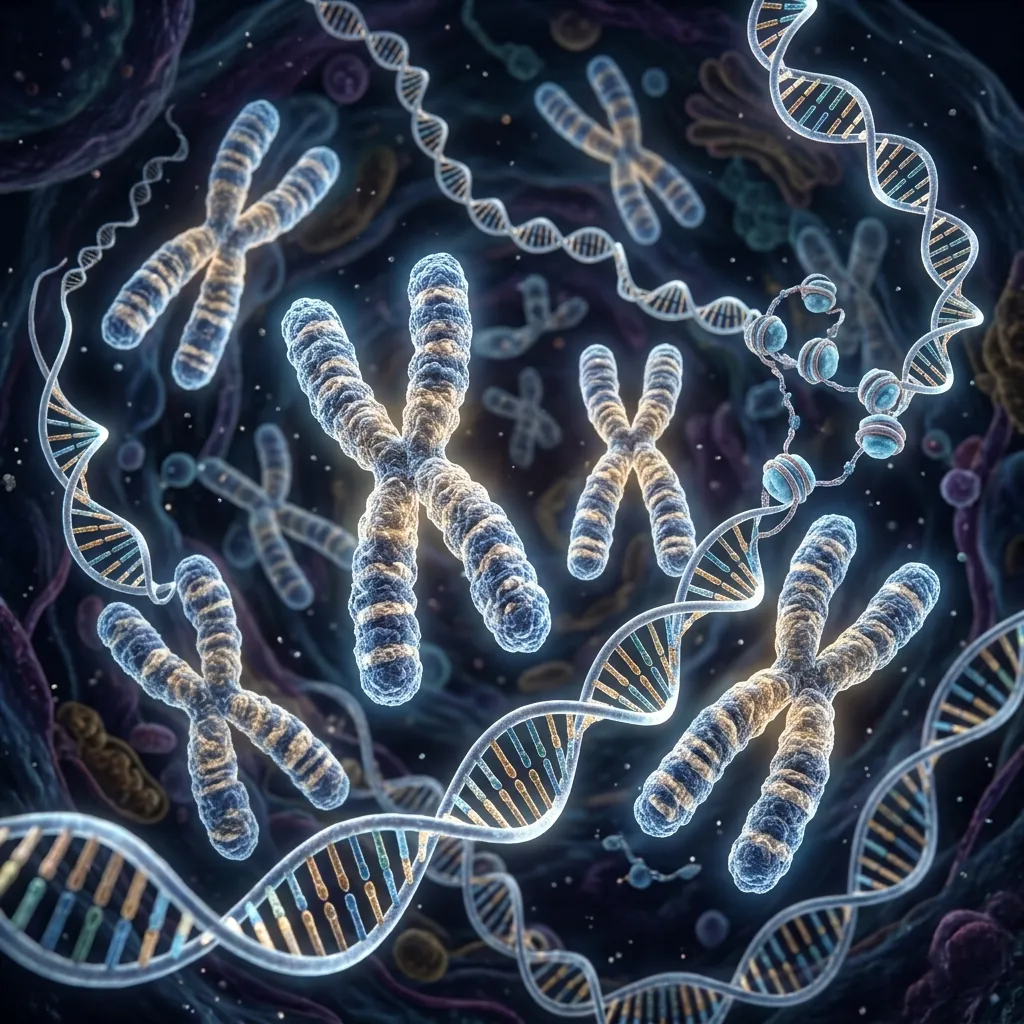
In the first weeks of pregnancy, every embryo starts from the same tissues and can develop along more than one path. Four layers usually move in step:
- Chromosomes. Most commonly XX or XY, but also XXY, a single X, XX/XY mosaics, or changes to individual genes such as SRY.
- Gonads. Ovaries or testes — or ovotestes, or gonads that form differently ("dysgenesis").
- Hormones. How much androgen the body produces, and — just as importantly — whether the body can respond to it.
- Anatomy. Internal and external reproductive anatomy, which can sit anywhere along a continuum.
A single change at any layer can send development in an unexpected direction. For example, an XY embryo whose cells can't "hear" androgens will develop along typically female lines despite XY chromosomes. None of this is a malfunction of a person — it's the same developmental machinery everyone has, running a different route.
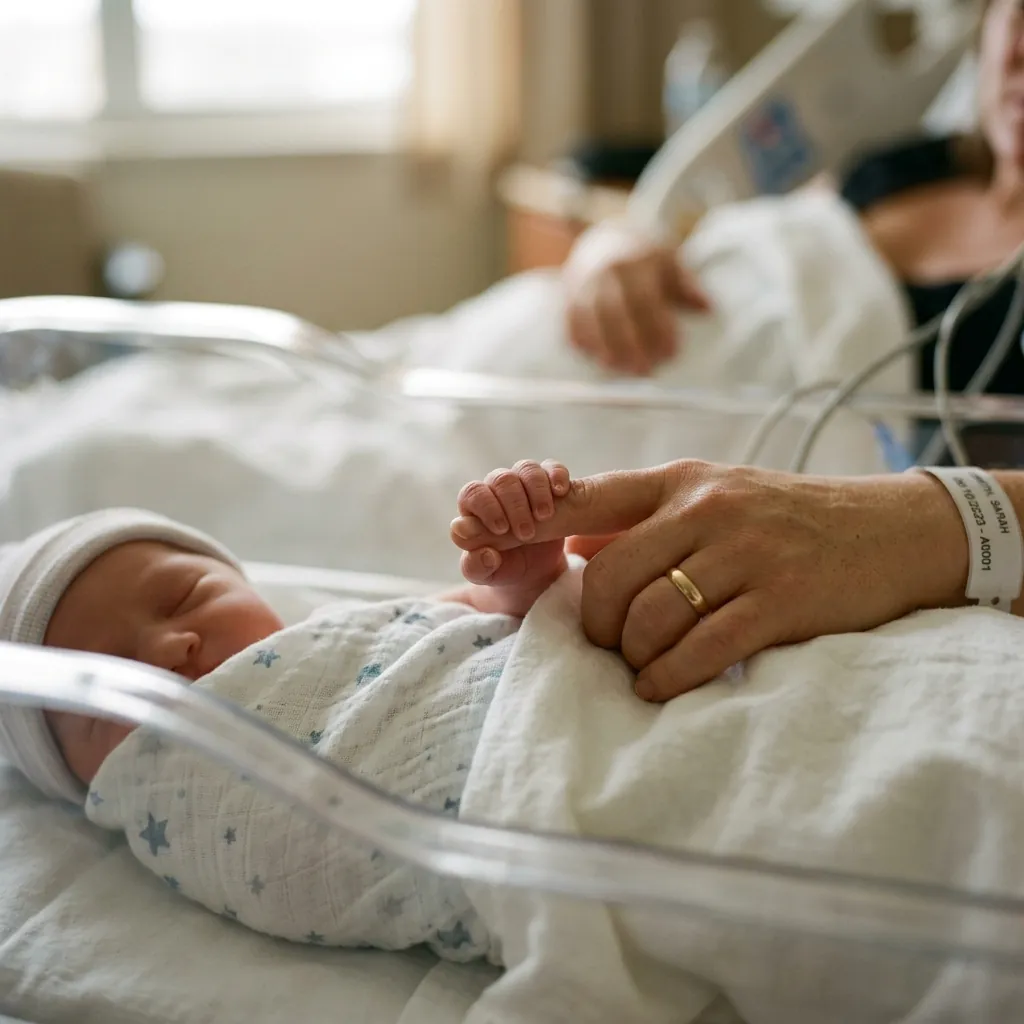
Intersex & Childbirth: When Traits Are Noticed
Not every intersex trait is visible at birth. Some are noticed straight away in a newborn's anatomy; others only appear when puberty does something unexpected; and some people learn they're intersex only in adulthood, through fertility care, imaging, or genetic testing.
When a baby's genitals look different, it can feel like a crisis to new parents — but a healthy intersex newborn is not a medical emergency. A few specific conditions (such as salt-wasting CAH) genuinely do need prompt care, but that's about the baby's health, not the appearance of their body.
Cosmetic decisions about anatomy can almost always wait — which is central to the human-rights debate further down this page.

Live as Who? Gender Identity & Being Intersex
This is one of the most common misunderstandings. Being intersex describes a body — it does not determine a person's gender.
Most intersex people are raised as, and go on to identify as, a man or a woman. Some are non-binary, and some describe their gender in their own terms. Crucially, an intersex person can be cisgender (identifying with the sex they were assigned) or transgender — the two things are independent.
The same is true of sexual orientation: intersex people may be straight, gay, bisexual, asexual, or anything else. Sex traits, gender identity, and orientation are three separate things.

Relationships, Sex Life & Fertility
Intersex people date, marry, have sex, and build families like anyone else. A few honest, respectful points:
- Romantic life is unaffected. Attraction, love, and partnership have nothing to do with being intersex.
- Intimacy varies — as it does for everyone. Some variations can affect sensation or comfort. Where they do, it's very often the result of earlier childhood surgery rather than of intersex biology itself — one of the strongest arguments made against operating on children.
- Fertility differs by variation. Some intersex people are fertile without any help; others need medical support or build their families in other ways, through donors, surrogacy, fostering, or adoption.
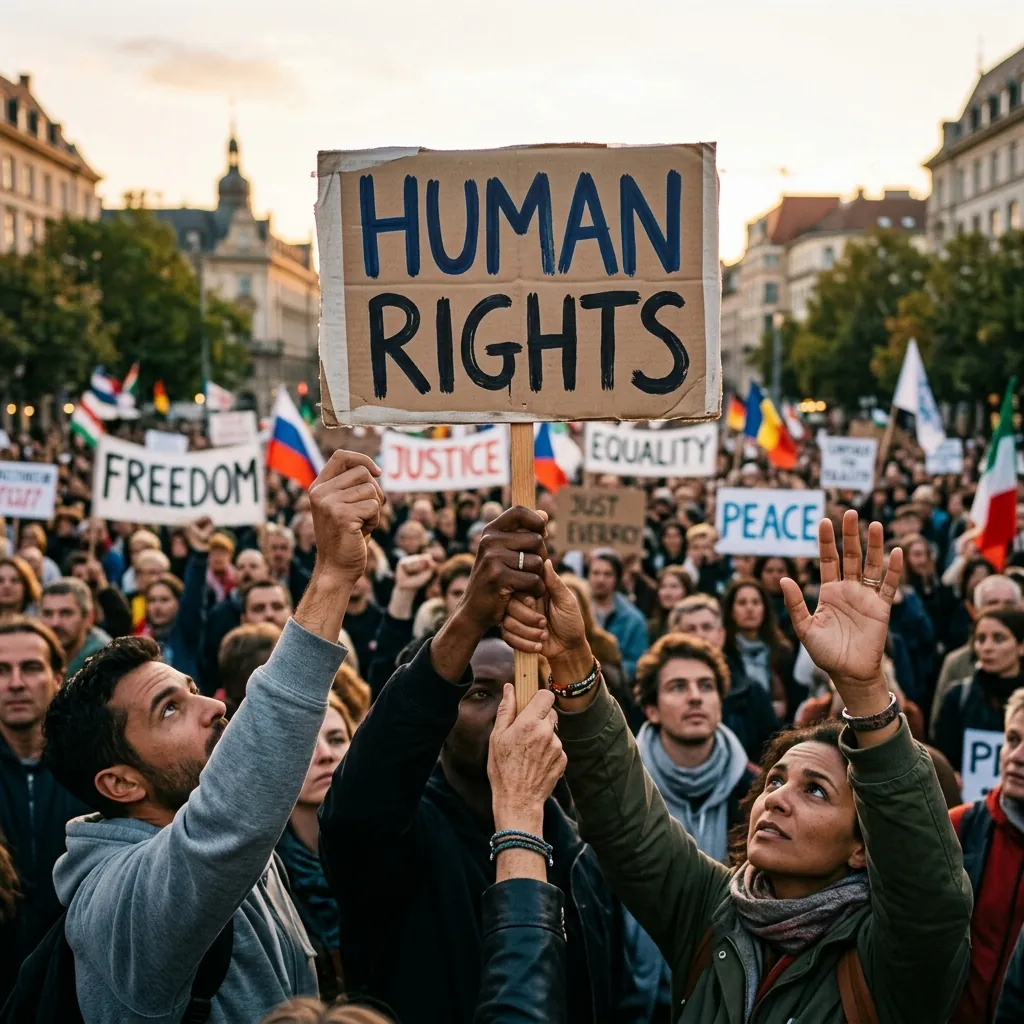
Surgeries & Human Rights
This is the heart of intersex activism. For much of the 20th century, standard medical practice was to perform cosmetic genital surgery on intersex infants — to make their bodies look more typically male or female — long before the child could consent.
Many people who had these operations report lasting harm: loss of sexual sensation, scarring, repeated surgeries, sterilisation, and the grief of a decision made about their body without them. Because gender identity can't be predicted from anatomy in infancy, some were also assigned and surgically shaped toward a gender they later didn't identify with.
The emerging consensus from human-rights bodies — including UN agencies and the World Health Organization — and a growing number of clinicians is to defer non-urgent, irreversible surgery until the person is old enough to take part in the decision. Genuinely necessary medical care (for example, ensuring a baby can urinate, or treating salt-wasting CAH) still goes ahead.
The law is slowly catching up. Malta led the way in 2015 with the first outright ban on non-consensual sex-normalising surgery on children; Portugal, Germany, Iceland, Greece, Spain and others have since adopted protections of varying strength.

Organizations to Know
- interACT (USA) — Advocates for Intersex Youth; legal and policy work plus resources for young people.
- OII (Organisation Intersex International) — a worldwide network of national affiliates.
- Intersex Human Rights Australia — home of the flag's creator, Morgan Carpenter.
- ISNA — the pioneering Intersex Society of North America (1993–2008), whose work lives on through successor groups.
- Plus major human-rights organisations such as ILGA World, Amnesty International, and UN human-rights offices.
How Many People Are Intersex?
This is the question with the most confusing answers — and the confusion is almost entirely about definition, not disagreement over the facts.
- Up to ~1.7% — the widely quoted figure from biologist Anne Fausto-Sterling (2000). That's roughly 1 in 60 people, and it counts every variation in sex characteristics, including some that aren't visible at birth.
- Around 0.05%–1.7% — the range the United Nations cites, acknowledging the definitional gap.
- About 0.018% — a much stricter clinical figure from Leonard Sax (2002), counting only cases where chromosomes and appearance disagree or the genitals aren't classifiable as male or female.
The 100-fold gap comes down to whether you include common variations like late-onset CAH, Klinefelter, and Turner syndromes. Include them and the number is large; exclude them and it's small. Both numbers are "correct" for the definition they use — which is exactly why you'll see wildly different figures quoted with equal confidence.
Types of Intersex Variations
There are more than 40 recognised intersex variations. A few of the most commonly described:
- Congenital adrenal hyperplasia (CAH) — the adrenal glands produce extra androgens; the most common cause of visible intersex traits in XX infants.
- Androgen insensitivity syndrome (AIS) — an XY body can't fully respond to androgens, so it develops along female lines (complete, CAIS, or partial, PAIS).
- Klinefelter syndrome (47,XXY) — an extra X chromosome; may affect puberty and fertility. Not everyone considers it intersex.
- Turner syndrome (45,X) — a missing or partial X, affecting growth and ovarian function.
- 5-alpha reductase deficiency (5-ARD) — an XY body makes testosterone but little DHT; some physical features shift at puberty.
- Hypospadias — a common variation where the urethral opening sits in a different position.
- MRKH (Müllerian agenesis) — an underdeveloped or absent uterus and vaginal canal in an XX body.
- Ovotesticular DSD — a person has both ovarian and testicular tissue (rare; the old term was "true hermaphroditism").
- Gonadal dysgenesis (e.g. Swyer syndrome) — gonads don't develop as expected, altering hormones and puberty.
Whether Klinefelter and Turner "count" as intersex is genuinely debated among clinicians and advocates alike — and that debate is a big part of why prevalence estimates vary so much.
Frequently Asked Questions
Is intersex the same as transgender?
Is "intersex" a third sex or gender?
Is being intersex a medical problem?
What should I do if my newborn is intersex?

🤝 Resources & Support
- 🌐 interACT — Advocates for Intersex Youth; plain-language resources for youth and families
- 🌐 Intersex Human Rights Australia — Research, policy, and the story of the flag
- 🌐 Intersex Day — History of 26 October and 8 November
- 🌐 PFLAG — Support for LGBTQ+ and intersex people and their families
- 📄 Is Biological Sex a Binary or a Spectrum? — The science behind this article
- 📄 The Expanded LGBTQ+ Glossary — Over 50 identity terms explained
📚 Sources
This article is for general educational purposes only and does not constitute medical advice. Intersex variations are diverse, and individual medical questions should be discussed with a qualified healthcare professional or a specialist multidisciplinary team. Language and law in this area continue to evolve — always verify current information with authoritative sources and, wherever possible, with intersex-led organisations.